October is a discovery event
Open enrollment season has a dark twin. While employers finalize 2027 benefits, plan documents land in inboxes, and every October a wave of patients reads theirs and discovers that GLP-1 coverage is changing: dropped entirely, newly gated behind prior authorization, or moved to a tier that doubles their cost. Employers have spent this year actively rebalancing GLP-1 coverage for 2027, so the 2026 wave will not be small.
These patients search the same week they find out. "Insurance stopped covering Wegovy," "my plan dropped Zepbound," typed into Google and, increasingly, asked directly to AI assistants. The demand side of this moment is covered in our open enrollment demand plan; this post is the build: the specific funnel that receives the coverage-loss patient. Design it in September, because when the wave arrives in October it will not wait for your sprint cycle.
Who is actually arriving, and the copy they can tolerate
The coverage-loss patient is not a cold lead. They are twelve or more weeks into treatment, stable on a dose, often seeing results, and they just learned that continuity of care lost a budget negotiation they never saw. They arrive informed, urgent, and resentful of a decision made about their body by an actuary. Copy calibrated for cold traffic, peppy, urgent, vague, reads as mockery here.
| Surface | Instead of | Write |
|---|---|---|
| Headline | "Lost coverage? We've got you covered!" | "Your plan dropped GLP-1 coverage. Here are your actual options." |
| Price reveal | "Affordable plans starting from..." | "Branded Wegovy runs about $199 a month through manufacturer channels. Here is what our program adds." |
| Urgency | "Act now before it's too late!" | "You have until your last covered fill to decide. Here is the timeline to work backward from." |
| Empathy | "Don't worry, we make it easy!" | "This change was your plan's decision, not yours. Staying on your current dose without interruption is the goal." |
The pattern: replace enthusiasm with specificity. This reader's trust is earned with numbers, timelines, and acknowledgment, and burned by anything that sounds like the wave is being celebrated.
The landing page: one URL for one situation
Give the moment its own page, reachable from search, ads, and your nav, that does four jobs in order. Acknowledge what happened, plainly and without pity. Explain the mechanics: plans finalize 2027 formularies in the fall, changes take effect January 1, and the patient's window is defined by their last covered fill. Lay out every real option with real numbers, including the ones that do not involve you: manufacturer self-pay channels, checking a spouse's plan during enrollment, employer appeal routes. Then state what your program adds on top of the medication itself: clinical continuity, dose history that travels, titration support, a care team that already handles this transition weekly.
Structure the page to be quotable: a dated options table, plain-language answers, a visible update date. Patients ask assistants "insurance stopped covering Wegovy, what now," and assistants cite pages that answer cleanly. Written well, this page acquires from both the search wave and the AI answer layer for the whole season.
The intake branch that captures coverage status
Coverage status is the highest-value segmentation fact of Q4, and intake is where to capture it while it is fresh. Add one early branch: how are you paying for GLP-1 treatment today, is that changing January 1, and, for the coverage-loss path, current medication, current dose, and last covered fill date. Patients unsure of their status route to verification, placed where it will not kill momentum, per our insurance-verification placement guide.
Those three facts drive everything downstream: the bridge offer is anchored to their medication and dose, the timeline messaging counts down from their actual last fill, and the provider sees a continuity case instead of a cold start. This is conditional-logic configuration, not custom development, and it is precisely the intake behavior that makes the coverage-loss patient feel received rather than processed.
The bridge offer, anchored to real floors
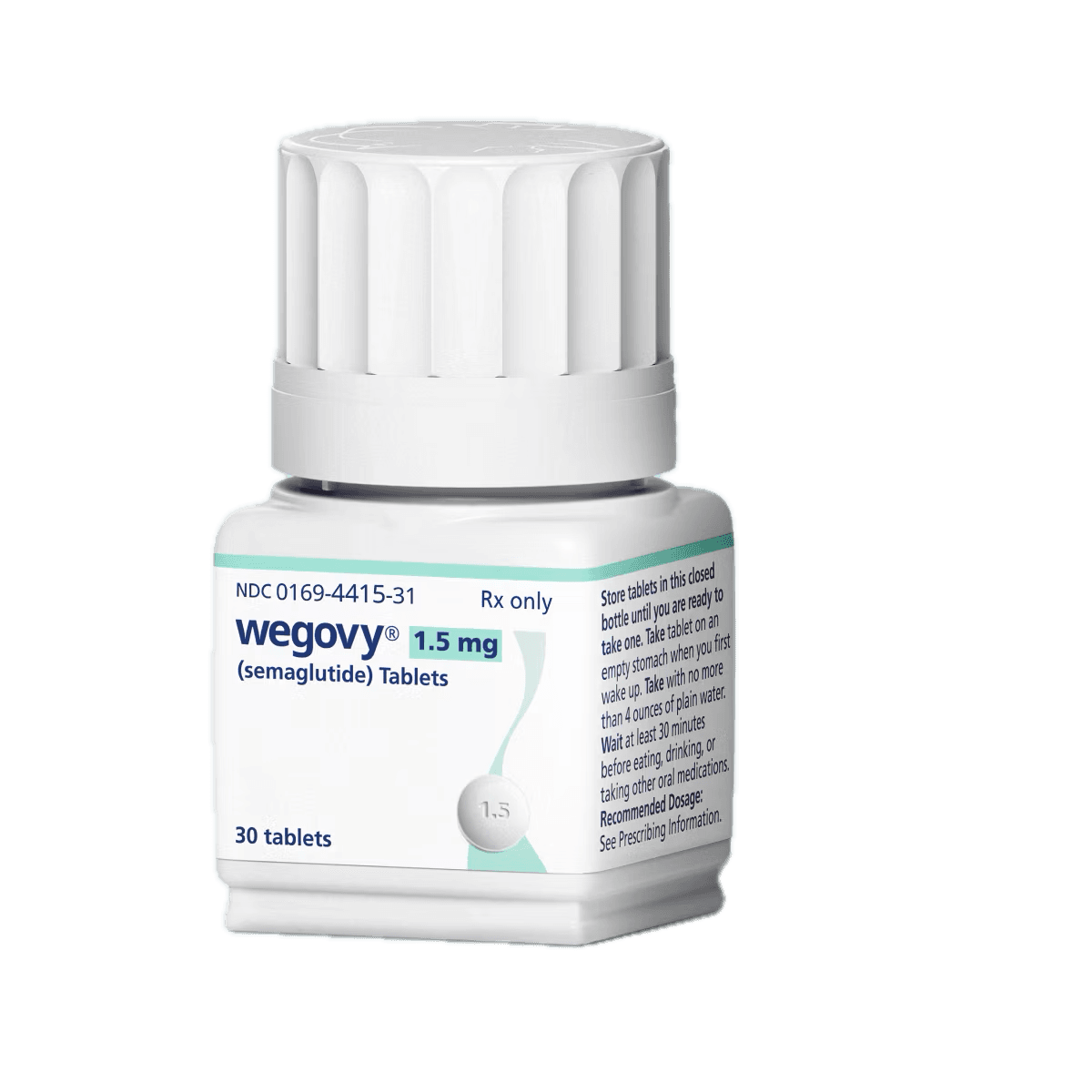
Self-pay pricing in late 2026 has public floors, and the coverage-loss patient knows them by the time they reach checkout: Wegovy at roughly $199 a month through manufacturer channels, the Wegovy pill at $149 a month, Zepbound vials at $299 to $449 depending on dose. Pretending these numbers do not exist is the fastest credibility loss available. Pricing against them is the strategy, and the mechanics of a floor-aware funnel are laid out in the new cash-pay GLP-1 funnel.
A bridge offer worth the name has three properties. Continuity first: same molecule, same dose, no forced restart, with the clinical handoff handled by your team. Honest math: show the manufacturer floor next to your price and name what the difference buys, because the wraparound is real and worth stating. And an exit ramp built in: patients whose coverage returns after an appeal, or who move to a spouse's plan at enrollment, should be able to pause or step down without a retention fight. A bridge that behaves like a trap converts once and churns with a grudge.
One more rail: pre-tax dollars soften the sticker shock, and this wave lands exactly when patients can still raise 2027 FSA elections. The implementation layer is in yesterday's HSA and FSA guide.
Retargeting the wave without being creepy
The difference between timely and creepy is whose data drives the timing. Key campaigns to the season, everyone's plan documents land in October, not to inferred individual health events. "Plan documents arriving this month? Here is a checklist for GLP-1 coverage changes" is a public fact plus a useful offer. "We know your plan dropped you" is surveillance cosplay, and in health, it costs trust at portfolio scale.
Practical rules: build retargeting audiences from declared, first-party facts, the coverage status patients told you in intake or on the landing page, never from third-party inference. Message the situation, not the person. Cap frequency, because an anxious patient seeing the same ad nine times reads pursuit, not help. Suppress aggressively on enrollment or explicit decline. And keep one evergreen surface, the landing page, findable year-round, because coverage loss also happens in ones and twos every month of the year: job changes, plan switches, mid-year formulary edits. Employer-routed arrivals from the benefits handoff hit the same page with the same needs.
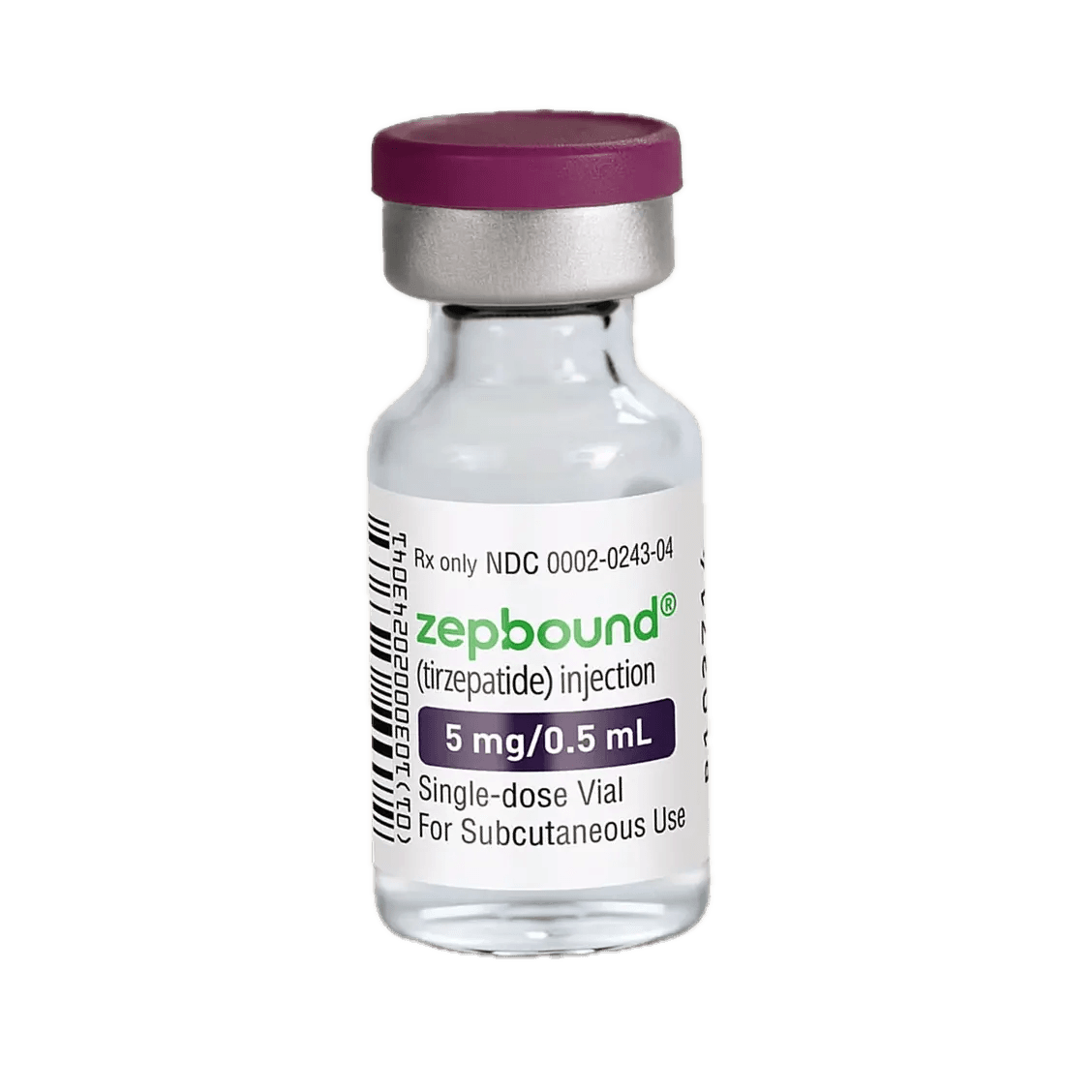
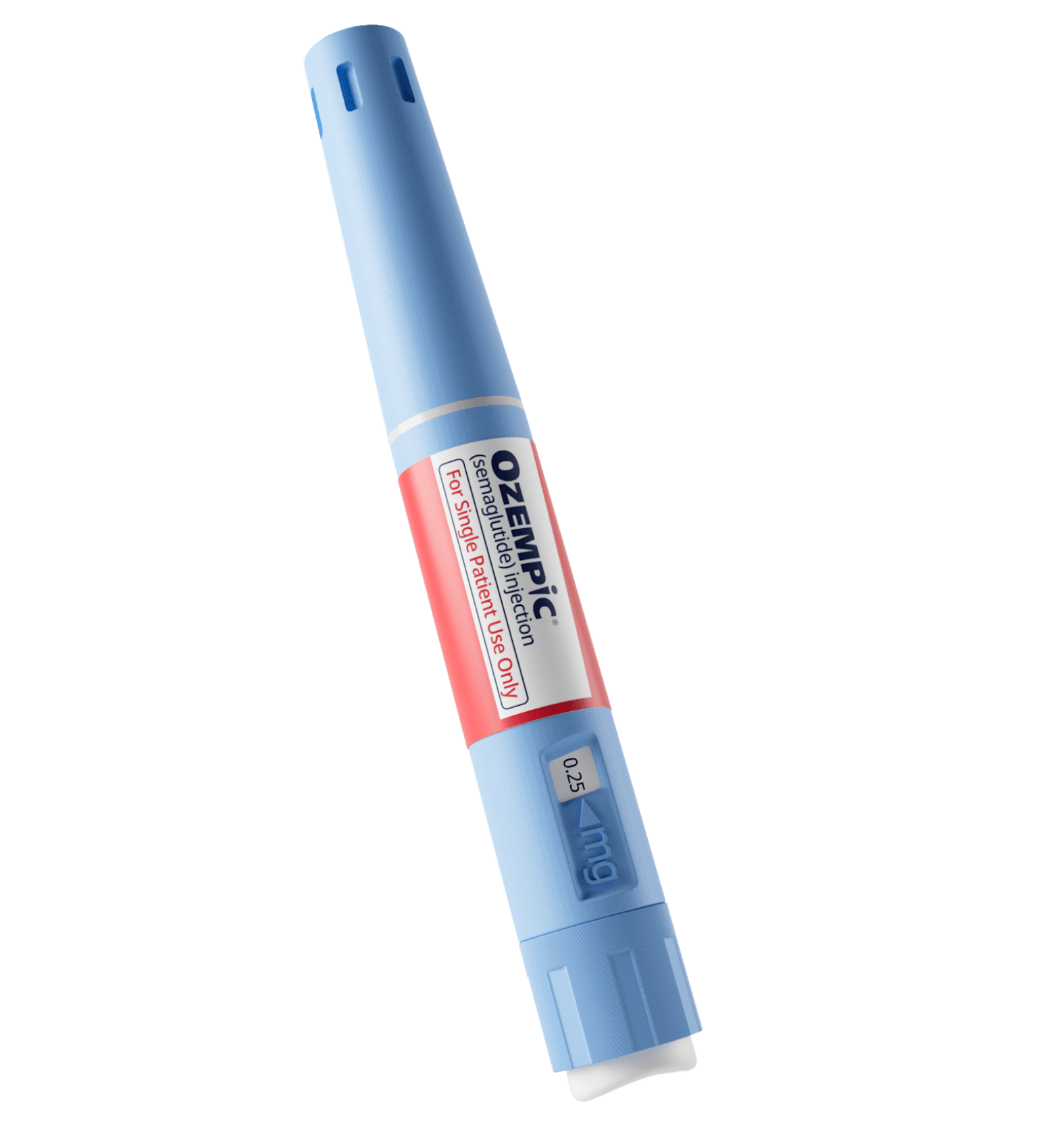
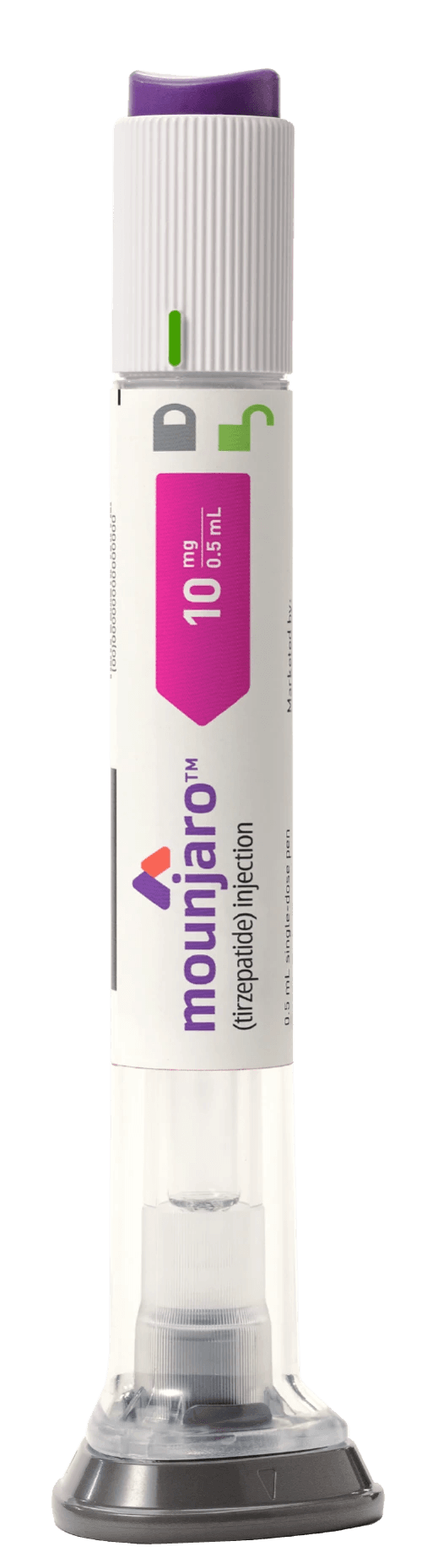
Example GLP-1 Treatments We Can Launch
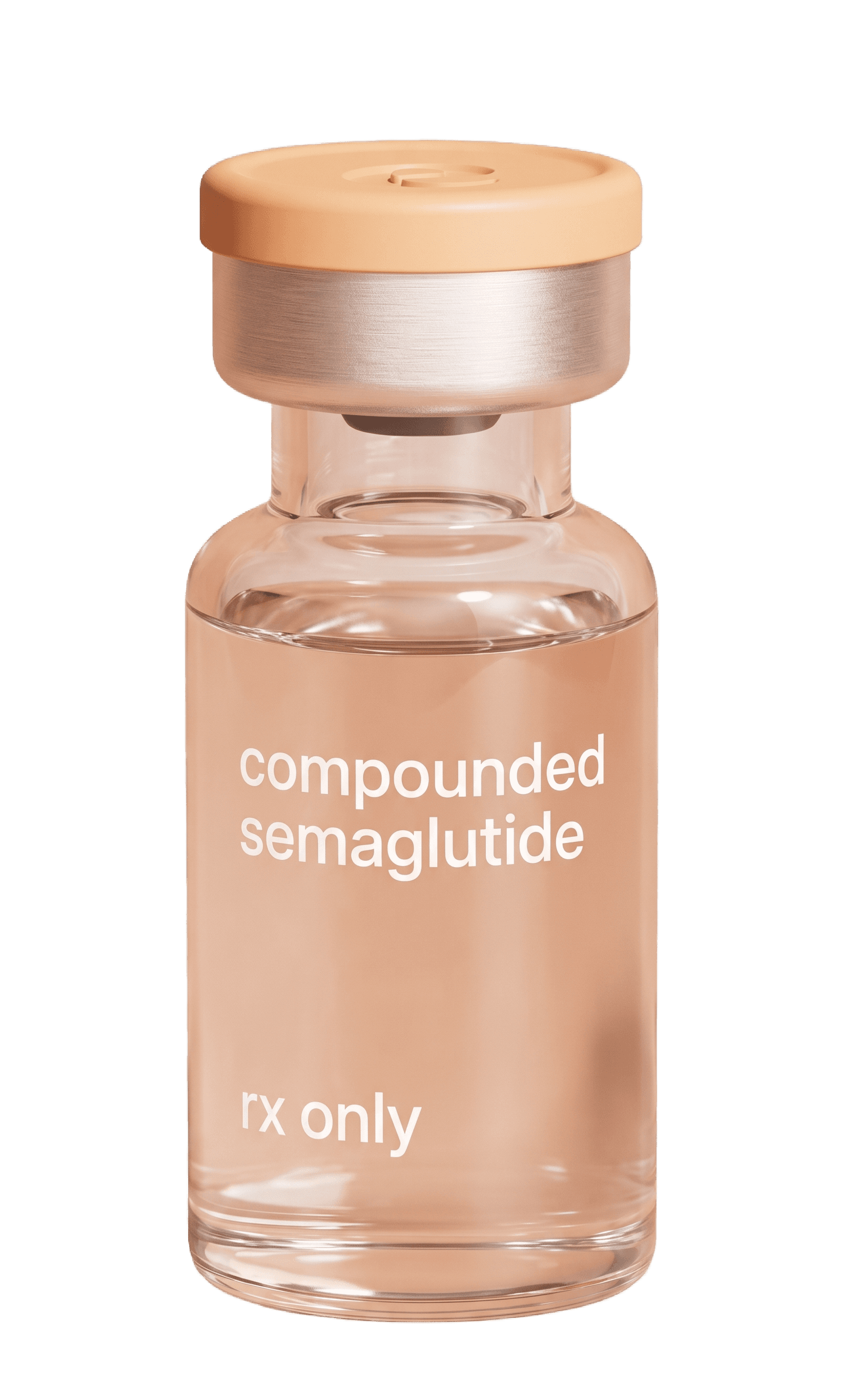
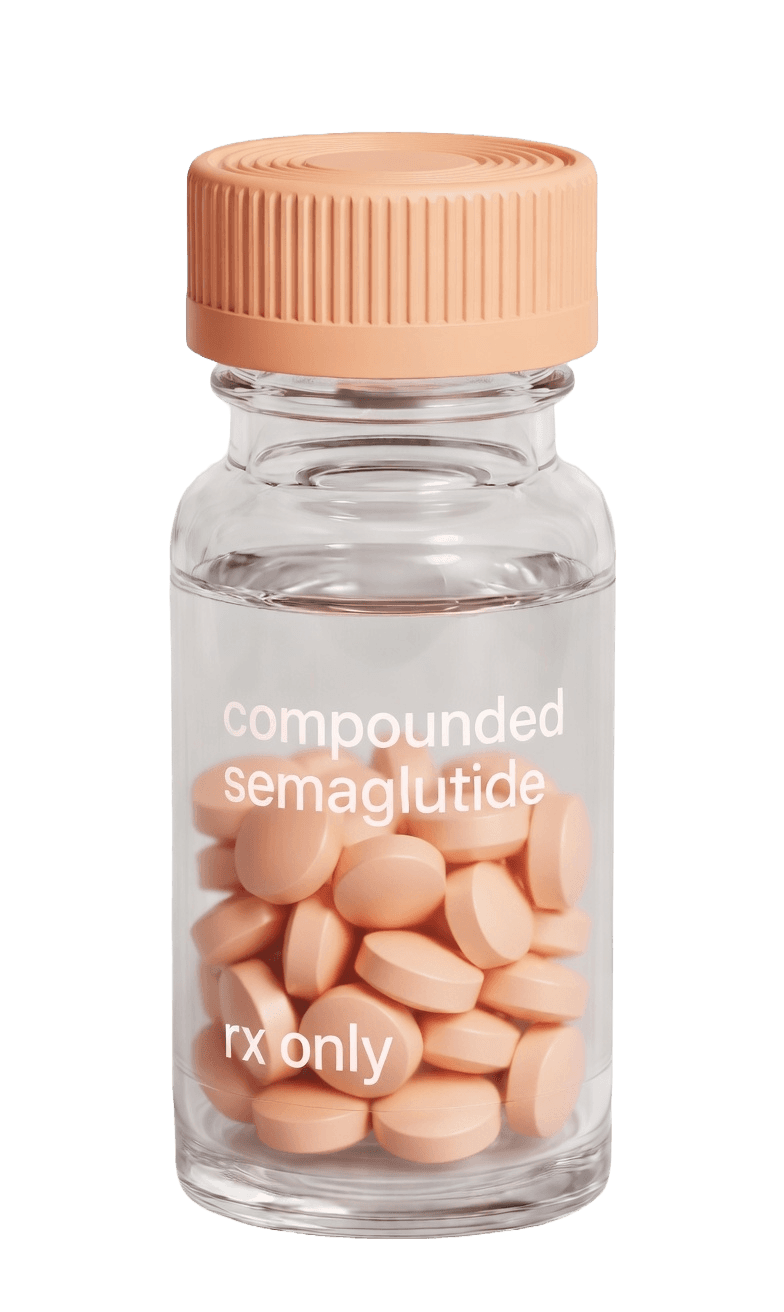
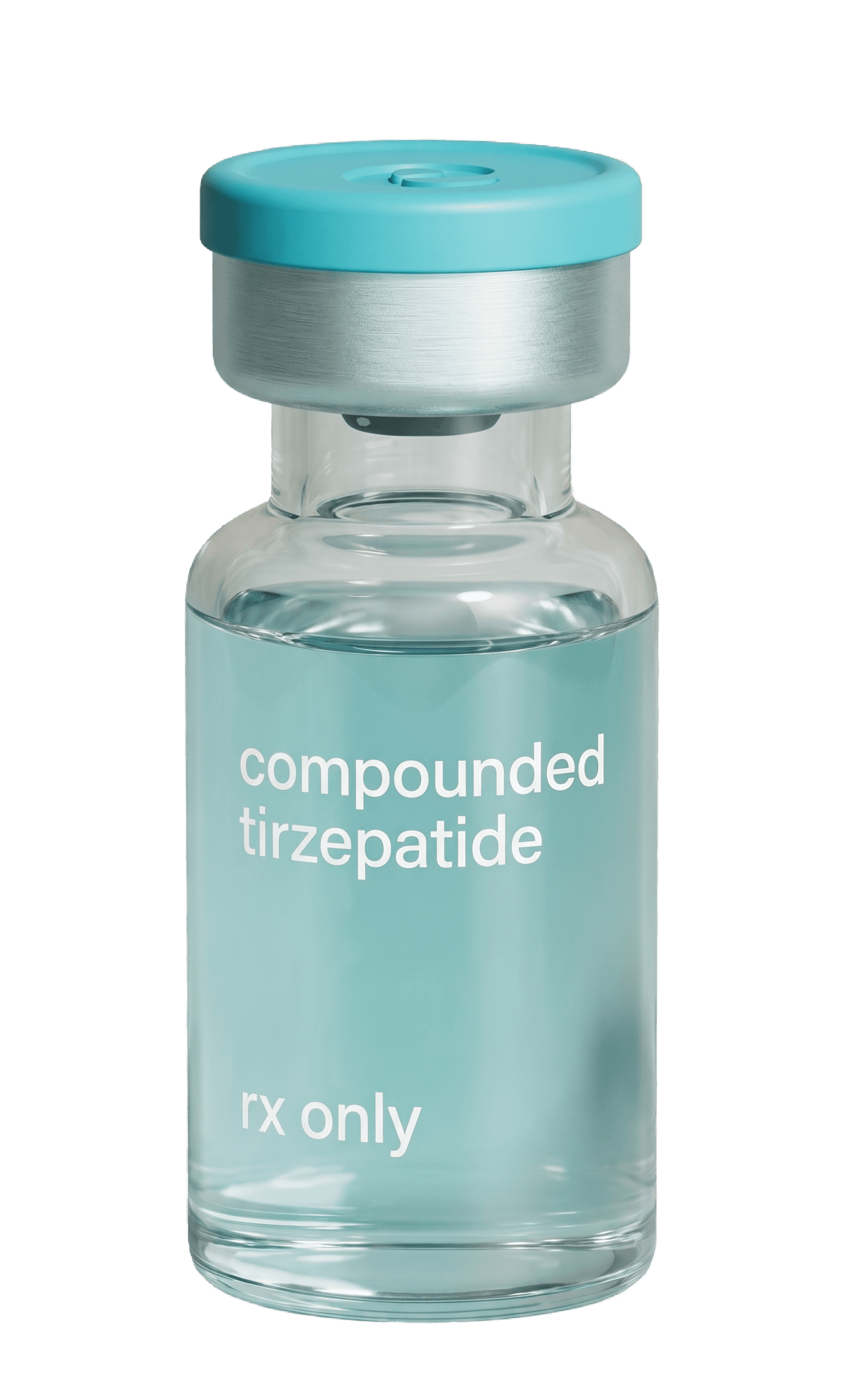
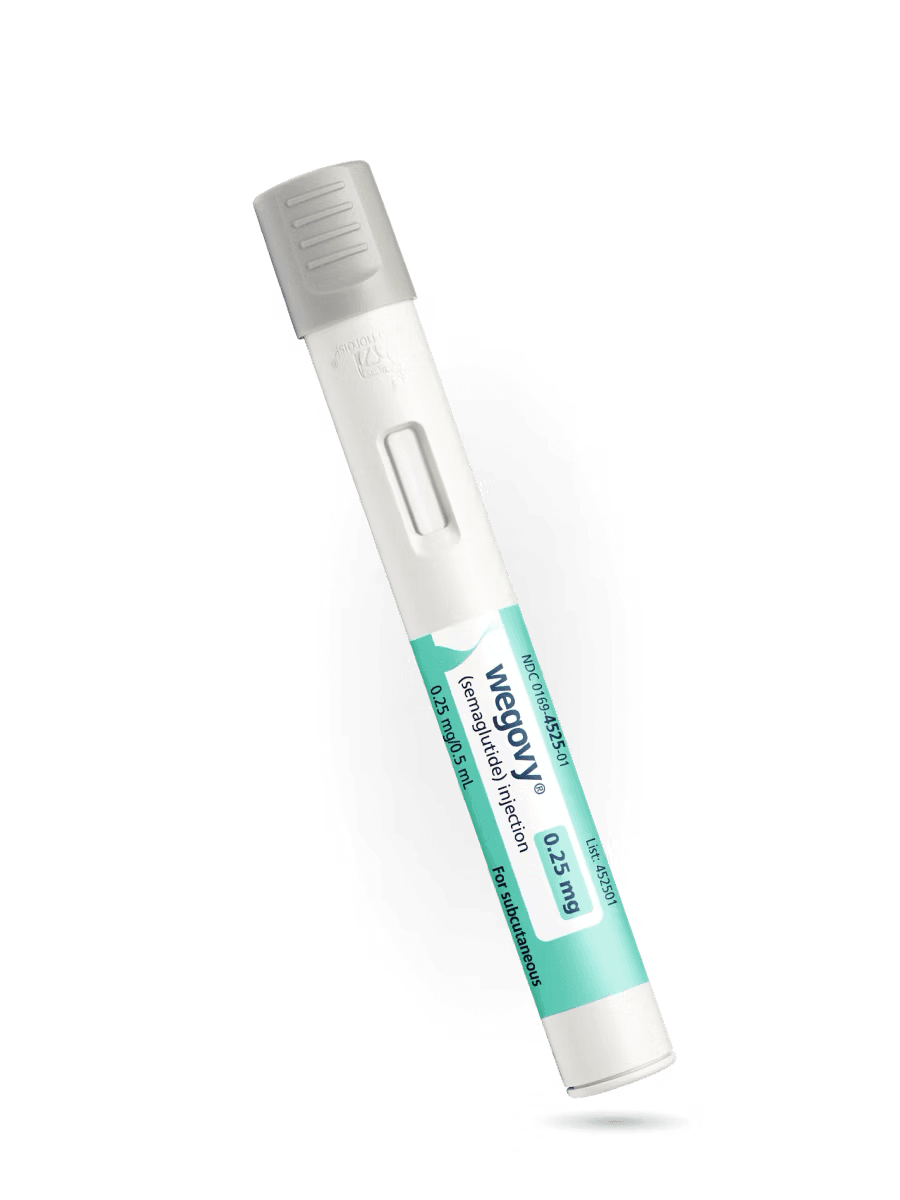
FAQ
What should I do if my insurance stops covering Wegovy or Zepbound in 2027? Start with your timeline: find your last covered fill date and work backward. Then compare real self-pay floors, Wegovy at about $199 a month through manufacturer channels, the Wegovy pill at $149, Zepbound vials at $299 to $449 by dose, and check whether a spouse's plan or an employer appeal can restore coverage. A telehealth program can bridge you at your current dose so treatment never gaps.
Why do patients lose GLP-1 coverage in January? Employers and plans finalize next year's formularies during fall open enrollment, and changes take effect January 1. Rising GLP-1 spend has many plans dropping coverage, adding prior authorization, or shifting cost to patients, and members typically discover the change when plan documents arrive in October.
How should a telehealth program prepare for the coverage-loss wave? Build before October: a dedicated landing page that acknowledges the situation and shows real numbers, an intake branch that captures coverage status, medication, dose, and last covered fill, a continuity-first bridge offer priced honestly against manufacturer floors, and season-timed campaigns built on declared data only.
When should coverage-loss campaigns launch? Have the funnel live by late September and begin messaging in early October, when plan documents land and discovery peaks. Keep the landing page up year-round, because job changes and mid-year formulary edits create a steady trickle of coverage-loss patients outside the seasonal wave.