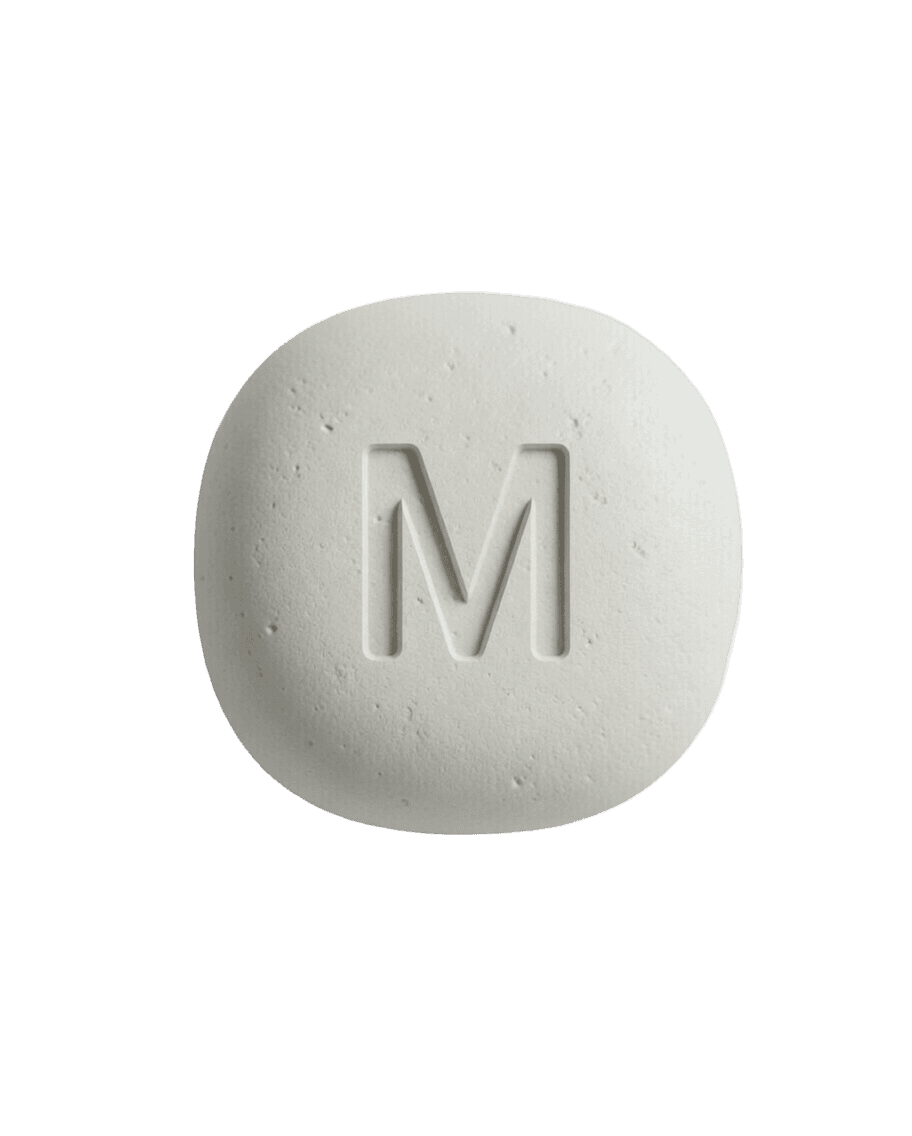
TabletHair LossIn stock

Finasteride tablet

An FDA-approved 5Ξ±-reductase inhibitor positioned as the clinical backbone of a male androgenetic alopecia program β€” launched on top of the intake, subscription, and refill infrastructure your brand and clinical partners need to run it at scale.
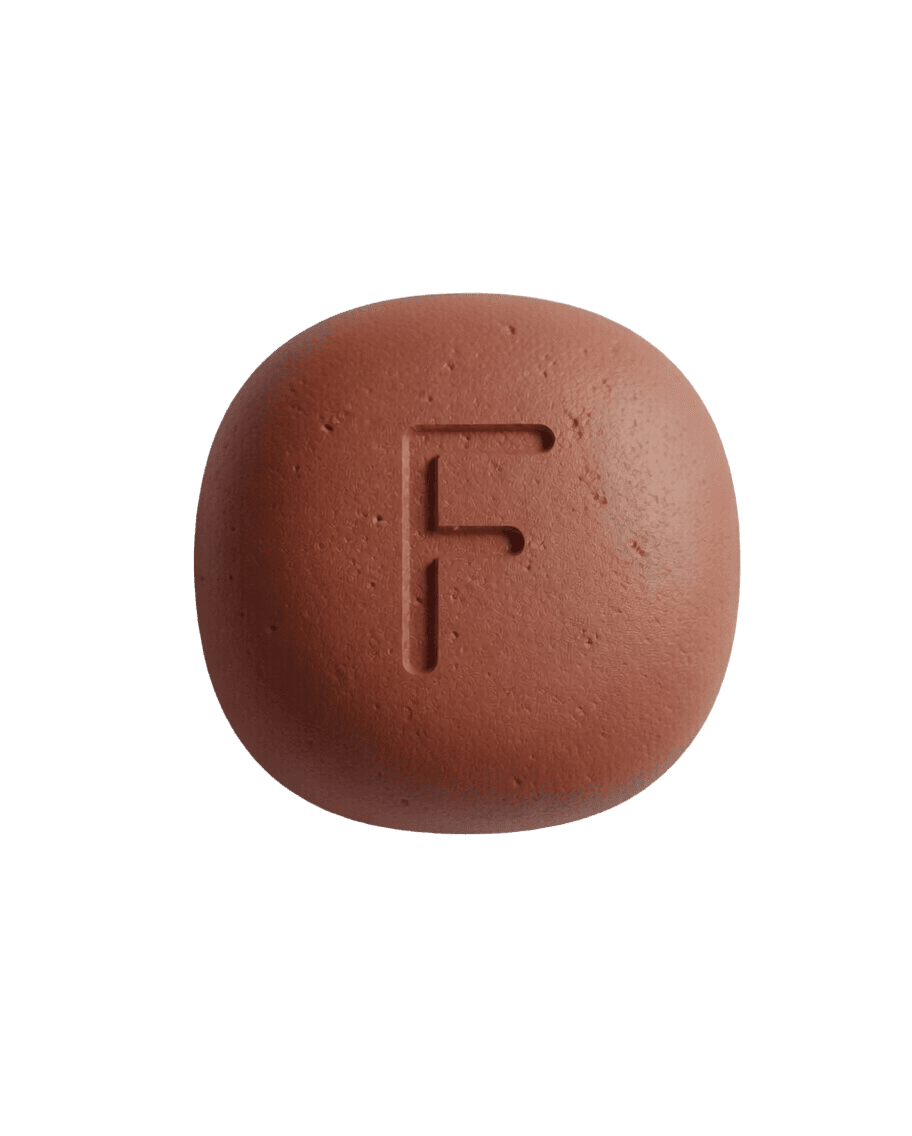
Finasteride Tablet
Cadence
Once daily
Visible regrowth
~66% at 2 yrs
Format
1 mg oral tablet, once daily
Primary use
Male androgenetic alopecia (AGA)
Rx required
Yes β€” licensed provider review
Counseling
Sexual-side-effect disclosure standard
About the protocol

The anchor molecule in most male hair-loss programs

Finasteride is a type II 5Ξ±-reductase inhibitor that reduces the conversion of testosterone to DHT, the androgen most implicated in genetic hair loss. Finasteride 1 mg was FDA-approved for male pattern hair loss in 1997. In the 5-year Kaufman trial, roughly 48% of men on 1 mg daily had visible regrowth at year 1 and about 66% by year 2, with continued benefit relative to placebo at 5 years.

  • Reduces scalp DHT, the androgen signal driving miniaturization of hair follicles in AGA
  • Works best when started early β€” preserves existing hair more reliably than it recovers lost hair
  • Typically combined with topical or low-dose oral minoxidil in modern clinic protocols
  • Not for patients who are pregnant or may become pregnant β€” handling and contraindications are part of provider review
Mechanism
Selective 5Ξ±-reductase inhibitor β€” lowers scalp DHT without broad androgen suppression.
Delivery
Once-daily 1 mg oral tablet taken with or without food at a consistent time.
Onset
Shedding often stabilizes by month 3; visible regrowth typically emerges between 6 and 12 months.
Oversight
Provider review covers eligibility, contraindications, side-effect counseling, and continuation.
Program design

The clinical anchor for a male hair-loss program

Finasteride is usually the core Rx offer in a male AGA funnel β€” strong evidence base, straightforward daily routine, and a price point that works well as an entry product or a bundle with minoxidil.

Strongest evidence of any AGA oral
The most studied long-term therapy for male pattern hair loss β€” backed by multi-year randomized data and a clear mechanism.
Recurring by design
Benefit is only maintained while treatment continues, which makes finasteride a natural fit for monthly refill programs.
Informed consent built in
A hair-loss program offering finasteride needs structured counseling on sexual side effects, libido changes, and the option to pause treatment.

Not for use in women who are pregnant or may become pregnant. Crushed or broken tablets should not be handled by pregnant patients because of teratogenic risk β€” your intake and order-routing rules should encode these constraints.

Launch flow

A simple launch flow for oral finasteride

The cleanest setup keeps the patient flow short, puts a licensed provider between the patient and the prescription, and uses refill check-ins to monitor tolerance and response over time.

  1. 1
    Step 1
    Intake and eligibility
    Collect pattern of hair loss, duration, medications, medical history, and sexual-health baseline. Screen for contraindications and route to a licensed provider in the patient's state.
  2. 2
    Step 2
    Provider review and counseling
    The provider reviews the intake, confirms AGA eligibility, counsels on the sexual side-effect profile, and approves a 90-day starting supply if appropriate.
  3. 3
    Step 3
    Refill check-ins and continuation
    Use follow-ups at 3, 6, and 12 months to check tolerability, baseline photos, and whether to continue, pause, or combine with minoxidil.
Benefit is lost within 9 to 12 months of stopping β€” build this expectation into onboarding so patients understand the program is ongoing.
Format comparison

Interactive operator view

Compare how oral finasteride usually behaves operationally versus low-dose oral minoxidil for a hair-loss program. These are planning dimensions, not clinical outcome comparisons.

Format comparison by operator dimension
Hover to compare finasteride versus minoxidil.
FinasterideMinoxidil
Strongest current edge
Male AGA fit
Finasteride scores 96/100 on this dimension.
Clearest difference
Regulatory clarity
This is where the two NAD+ formats separate the most in program design terms.
Needs the most support
Female AGA fit
This is the weakest current score in the comparison, so it is the area most likely to need extra workflow design.

Illustrative operator-planning view based on evidence strength, label scope, side-effect profile, and typical patient fit. Not a statement of safety or efficacy for any individual patient.

The Turbopills stack for this program

Everything you need to run a finasteride program

Use your own brand, your own providers, and your own price. The platform ships the intake, provider-review workflow, order routing, billing, and refill logic β€” your team focuses on acquisition.

Product website & ad landing pages
Turbopills AI Studio β€” ad images & videos
Beta
Dynamic intake forms
Billing & subscriptions
Provider review & e-Rx
Pharmacy order routing
Refills & auto-ship
Patient communications
Experiments & A/B tests
Beta
Ready to launch

Launch a finasteride program in weeks β€” not quarters.

The platform ships the intake flow, provider-review logic, side-effect counseling scripts, billing, and refill cadence. Plug in your licensed providers and pharmacy partners β€” your team focuses on getting the right patients in the door.

Marketing and educational content only. Clinical details on this page are summarized from publicly available sources to help operators scope a program β€” they are not medical advice, dosing instructions, or a recommendation for any individual patient. Real patient care requires a licensed provider and a compliant pharmacy partner; Turbopills provides the software that helps brands run the program around them.

Related

Other hair-loss treatments