Sleep apnea is no longer a side note in weight loss care
For years, obstructive sleep apnea was a footnote in weight loss intake.
A question on the form. A risk factor on the chart. A reason for the patient to "talk to their doctor."
That is changing fast.
Zepbound is FDA-approved for moderate to severe obstructive sleep apnea (OSA) in adults with obesity. Wegovy has growing clinical interest in the same space, and several DTC programs are now building structured OSA care alongside their GLP-1 offering.
That changes the operating model.
A DTC sleep apnea program is not a checkbox on the weight loss intake.
It is a clinical program with its own:
- screening
- home sleep test workflow
- diagnosis pathway
- medication and device decisions
- provider review
- patient education
- monitoring and follow-up
- billing
- support
Building it well opens a real new revenue line.
Building it badly creates clinical and compliance risk that can spill over into the rest of the program.
This post covers what changes for a DTC telehealth team that wants to launch sleep apnea care in 2026.
Why sleep apnea is a meaningful 2026 program
Three forces are converging.
1. A real new indication
Zepbound's OSA approval in adults with obesity is meaningful because it shifts the conversation.
A patient who came in for weight loss and happened to have OSA used to get vague language.
That patient now has a medication option specifically labeled for their condition.
2. A large underdiagnosed population
OSA is widely underdiagnosed. Many patients only learn they have it when a partner complains about snoring or when a comorbidity (hypertension, atrial fibrillation, type 2 diabetes) prompts a sleep study.
That undiagnosed population overlaps heavily with the existing GLP-1 patient base.
3. A patient already comfortable with telehealth
Patients who have completed a weight loss intake online are comfortable with virtual visits, home shipments, and remote monitoring.
That makes sleep apnea care delivered through telehealth a natural extension, not a leap.
The combination is rare: a new indication, a large underdiagnosed pool, and a population that already trusts your channel.
What a DTC sleep apnea program actually has to handle
A real OSA program is not a single screen.
It needs to handle the full clinical loop:
| Step | What it covers |
|---|---|
| Screening | Symptoms, risk factors, validated questionnaires |
| Diagnosis | Home sleep apnea test (HSAT) order, completion, interpretation |
| Severity classification | AHI or REI thresholds, mild vs. moderate vs. severe |
| Treatment selection | CPAP, GLP-1, behavior change, surgery referral, combinations |
| Coordination | CPAP supplier, pharmacy, durable medical equipment (DME) |
| Provider review | Sleep medicine, primary care, or supervised collaboration |
| Patient education | OSA basics, CPAP onboarding, medication expectations |
| Monitoring | CPAP adherence data, weight change, symptom follow-up |
| Adjustment | Dose changes, device fit, mask change, escalation to specialist |
| Retention | Long-term engagement and outcomes tracking |
Trying to fit this into the existing weight loss intake will create gaps.
A sleep apnea program needs its own intake path, its own provider review templates, and its own support scripts.
The good news is that the rest of your platform (CRM, billing, patient portal, communications) can support this without being rebuilt.
Screening: what intake should actually capture
Sleep apnea screening is well-validated.
A DTC intake should not invent questions. It should use existing instruments and capture additional context.
Validated questionnaires
The two most common screening tools are STOP-BANG and the Epworth Sleepiness Scale.
- STOP-BANG: Snoring, Tiredness, Observed apnea, Pressure (hypertension), BMI, Age, Neck circumference, Gender. Higher scores indicate higher risk.
- Epworth Sleepiness Scale: Eight situations rated by likelihood of dozing. Higher scores indicate excessive daytime sleepiness.
Both should be implemented in the intake.
Neither is diagnostic on its own.
Risk factors and history
Beyond the questionnaires, intake should capture:
- partner or family reports of snoring or witnessed apnea
- morning headaches
- choking or gasping during sleep
- nocturia
- dry mouth on waking
- difficulty concentrating
- mood changes
- hypertension, atrial fibrillation, heart failure
- type 2 diabetes
- prior sleep study results
- prior CPAP use
- prior surgery (uvulopalatopharyngoplasty, nasal surgery, tonsillectomy)
- current medications that affect sleep
- alcohol use
- shift work
This context lets a provider interpret the score, not just see a number.
What to avoid in screening
A few common mistakes:
- using only one questionnaire
- treating the questionnaire as diagnosis
- routing every positive screen to the same path
- skipping comorbidity capture
- letting the patient self-select treatment without provider review
A clean intake collects, scores, and routes.
The provider decides.
Diagnosis: home sleep testing in a DTC workflow
For most adults with a high clinical suspicion of moderate to severe OSA and no significant comorbid conditions that require in-lab testing, home sleep apnea testing is appropriate.
In a DTC workflow, that means:
- the provider orders an HSAT
- the test is shipped to the patient
- the patient wears it for one to three nights
- the device is returned or data is uploaded
- a board-certified sleep medicine provider or qualified clinician interprets the result
- the patient receives a result and a treatment plan
Each step has operational implications.
Vendor selection
Not every HSAT vendor is built for telehealth volume.
A DTC program should evaluate:
- supported devices (peripheral arterial tonometry, respiratory effort, oximetry, multi-channel)
- shipping speed and tracking
- patient instruction quality
- data return and interpretation turnaround
- integration with your platform (API, file upload, email parsing)
- pricing and billing model
- coverage acceptance if applicable
- credentials of the interpreting clinician network
Patient experience
Patients dropping out at the HSAT step is a major risk.
Reduce it with:
- a confirmation step before shipping
- a clear "how to wear the device" video
- a reminder schedule the night before the test
- a follow-up if the device is not returned in a reasonable window
- a re-test option if the data is inadequate
Provider review
Provider review on HSAT data is not optional.
The platform should:
- present the AHI or REI alongside relevant patient context
- show the validated questionnaires and patient history
- allow the provider to request additional testing if results are inconclusive
- route severe cases to in-lab polysomnography or specialist referral
- document the diagnosis and severity clearly
For more on lab and test workflows, see Telehealth Lab Workflow Design: Preventing Drop-Off Between Order, Completion, and Review.
Treatment selection: GLP-1, CPAP, or both
This is where program design gets interesting and where shortcuts cause harm.
A reasonable framework:
| Patient situation | Likely treatment direction |
|---|---|
| Mild OSA, no comorbidities | Conservative measures, positional therapy, weight loss support |
| Moderate to severe OSA, BMI in obesity range, no CPAP history | Consider Zepbound (within label), CPAP, or combination, with provider review |
| Moderate to severe OSA, BMI in obesity range, CPAP-intolerant | Strong candidate for medication consideration plus continued CPAP attempts |
| Already on CPAP with good adherence | Continue CPAP, consider medication if weight is a contributing factor and label fits |
| Severe OSA with cardiovascular comorbidities | CPAP plus medical optimization, specialist coordination |
| Recent bariatric surgery | Coordinate with surgical team |
| Pregnant or planning pregnancy | Specialist coordination, careful medication review |
| Pediatric or adolescent | Out of scope for most DTC programs without specialist partnership |
Two principles guide this.
First, GLP-1 medication for sleep apnea is not a CPAP replacement for every patient. It is a treatment option that, within the label, can be appropriate for adults with obesity and moderate to severe OSA.
Second, the program should make the provider the decision-maker. Patients can express preferences. The provider decides.
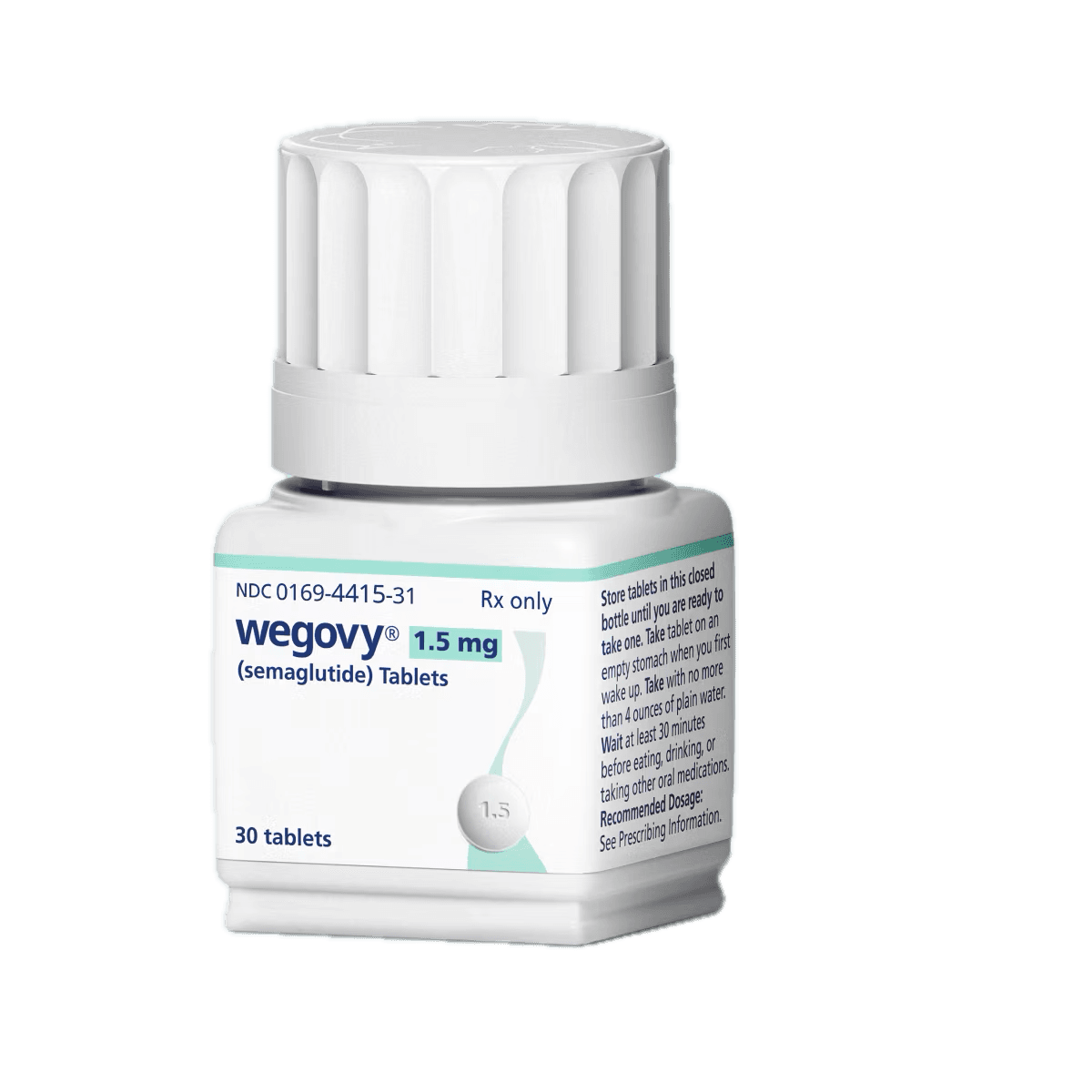
For context on the wider GLP-1 product set, see New GLP-1 Products in 2026: The Telehealth Product Map.
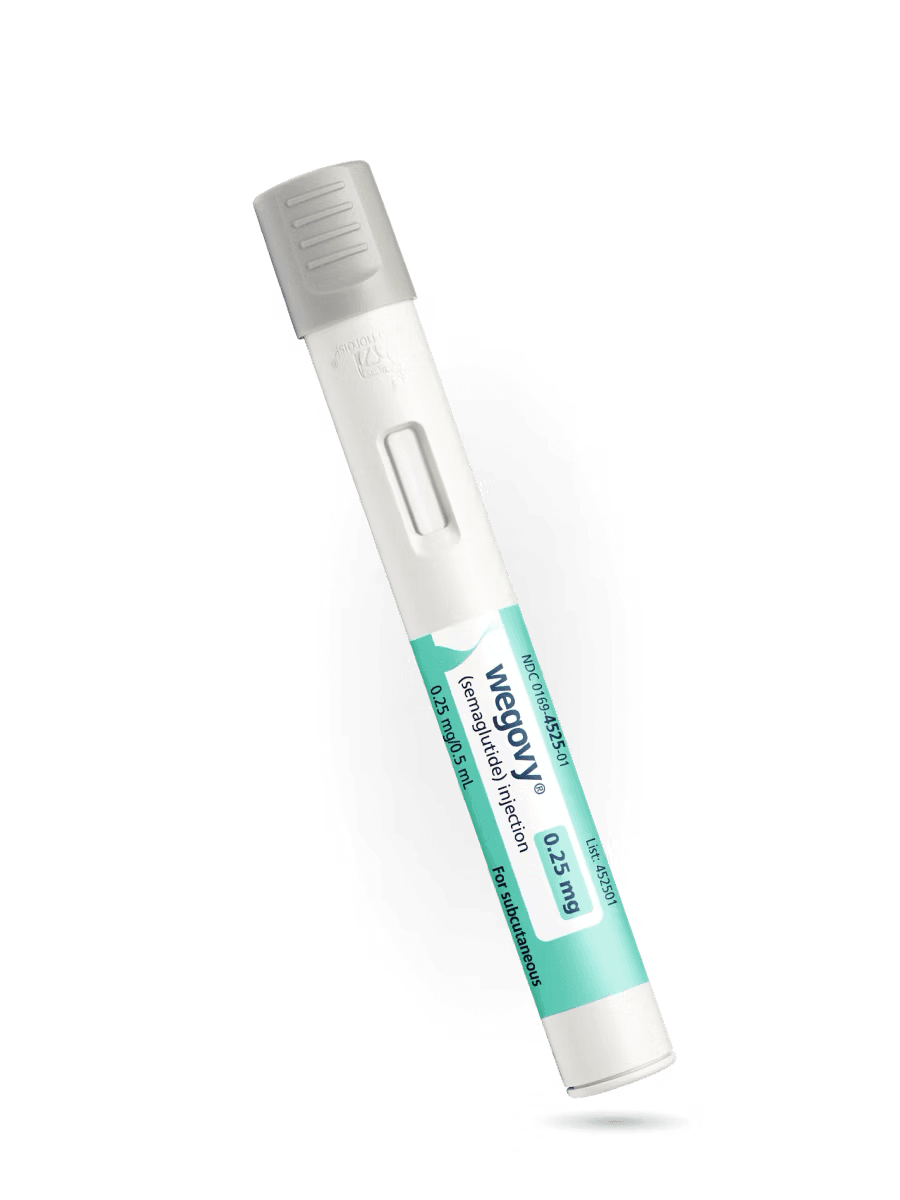
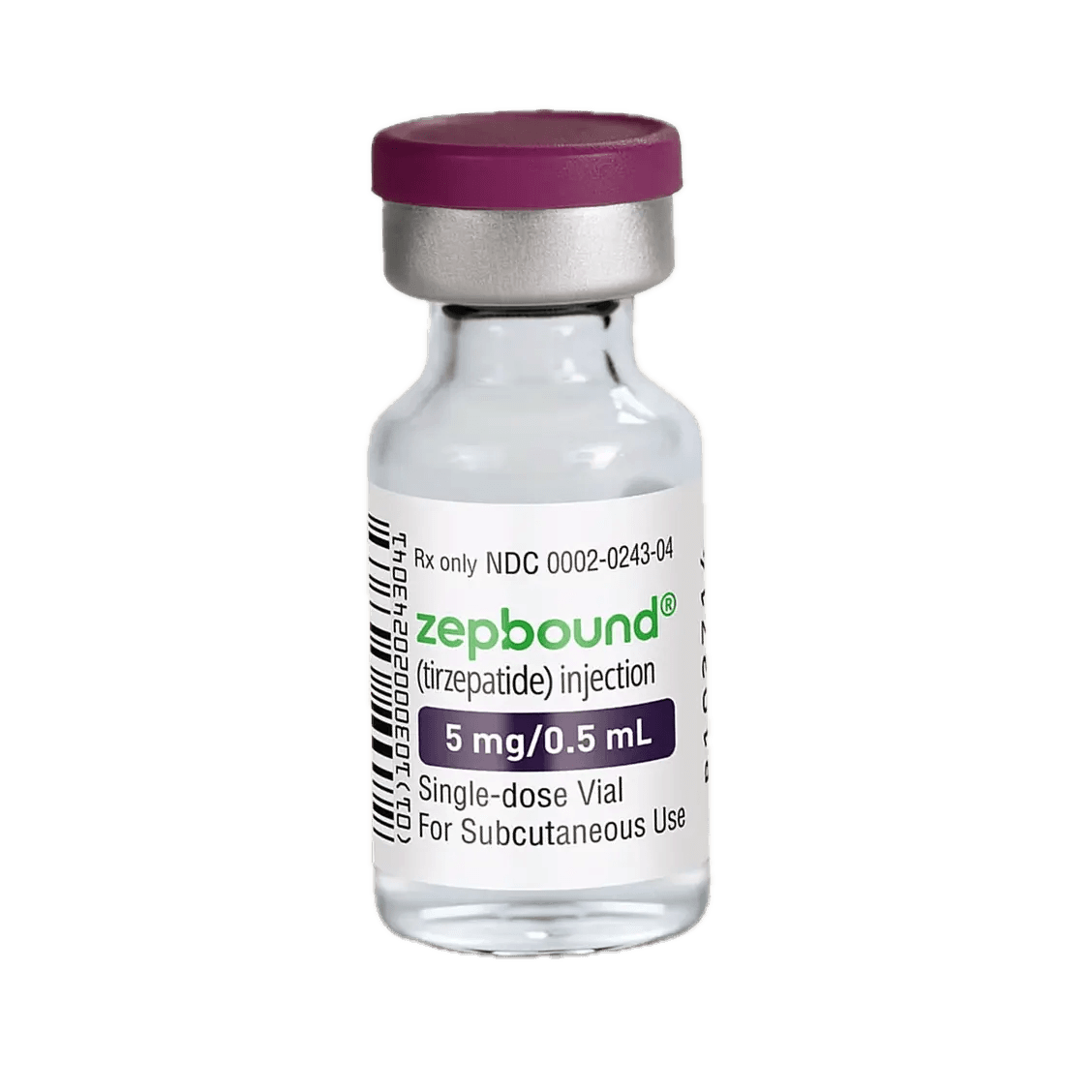
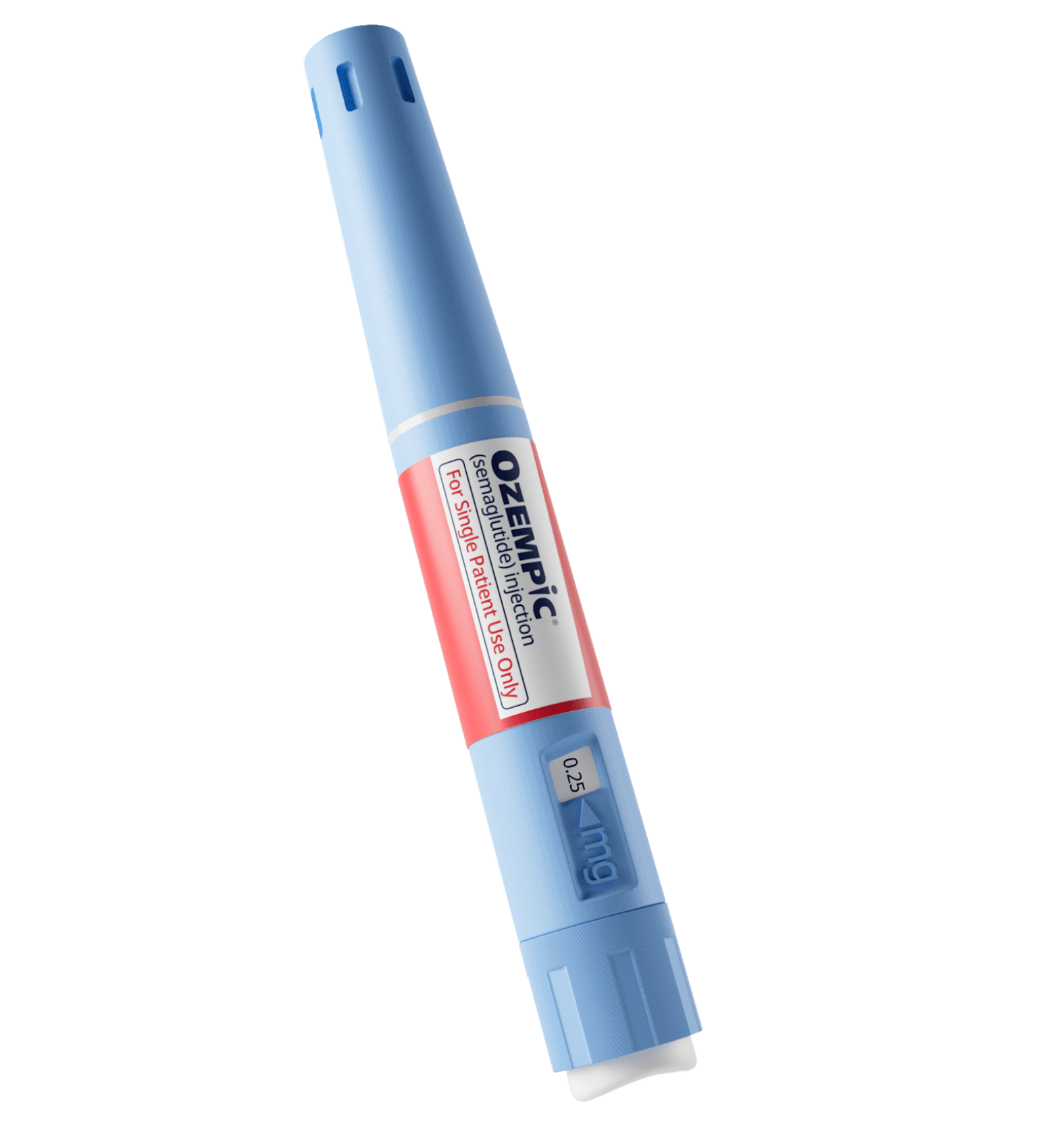
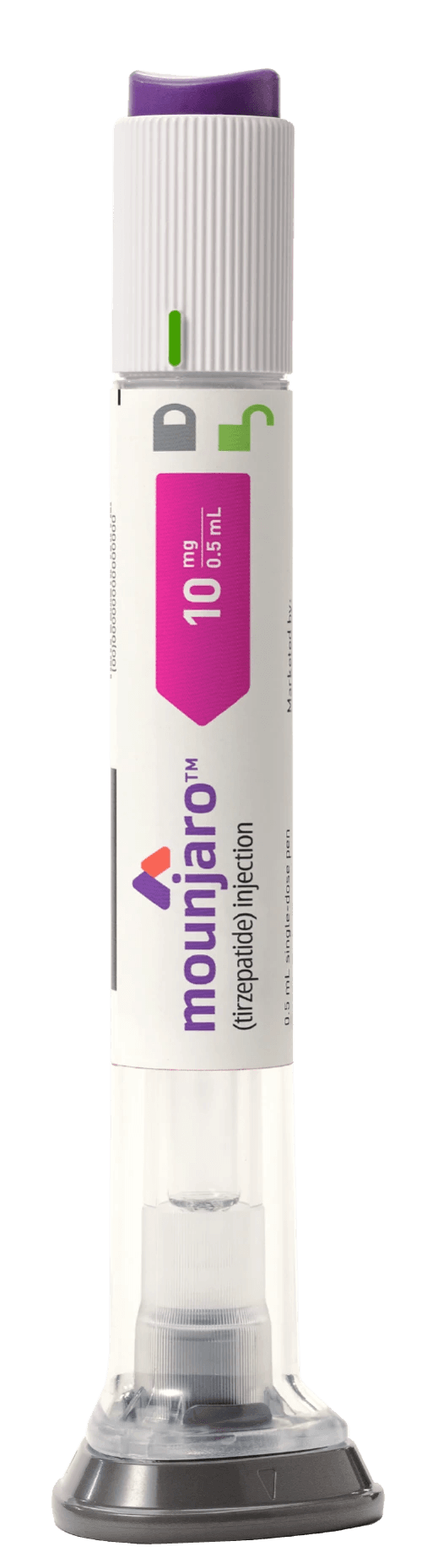
Example GLP-1 Treatments We Can Launch



CPAP and DME coordination
DTC telehealth teams are usually not in the business of selling CPAP machines.
That is fine.
What matters is that the program can coordinate CPAP delivery and follow-up without making the patient fend for themselves.
A good coordination model:
- a list of DME partners the platform can route prescriptions to
- a script generator that produces a complete CPAP prescription
- the ability to share the HSAT report with the DME
- a check-in workflow for mask fit, pressure adjustment, and adherence
- patient portal access to CPAP adherence data where supported
- escalation back to a provider if adherence is poor
The patient should not feel like the platform handed them off and disappeared.
Even if CPAP is not your direct revenue, your role in coordinating it is part of why the patient pays you.
Provider scope: who can manage OSA, and where
State-by-state licensure matters for any controlled or regulated workflow.
For OSA specifically:
- HSAT interpretation requires a qualified clinician, usually board-certified in sleep medicine or trained to interpret HSAT data
- Diagnosis of OSA is a clinical determination
- Prescription of Zepbound or other approved medications requires a licensed prescriber in the patient's state
- CPAP prescription requires a licensed prescriber
- Severe cases or atypical presentations should be routed to in-lab polysomnography or a specialist
Programs should be explicit about:
- which provider category sees the patient at each step
- which states the program is currently active in
- which patient situations are out of scope and trigger a referral
If the provider team is generalist, the program should partner with sleep medicine for HSAT interpretation and complex cases.
For context on provider network design, see Provider Network vs. Your Own Clinicians: How DTC Telehealth Brands Should Decide and Provider Capacity Planning in Telehealth: Grow Without Creating Review Backlogs.
Patient education that actually helps
OSA is misunderstood by patients.
A strong program treats education as a clinical asset, not a content marketing exercise.
Topics to cover with structured patient-facing content:
- what OSA is and what it is not
- why OSA is a cardiovascular and metabolic risk, not just a sleep problem
- how HSAT works and what to expect
- what AHI numbers mean
- how CPAP works, why some patients struggle, and what helps
- what Zepbound is approved for in OSA and what the label says
- why medication is not a CPAP substitute for everyone
- how weight loss can affect OSA severity
- how to know when to escalate to a sleep specialist
This content can also feed into intake nudges, refill messages, and provider review summaries.
Monitoring and follow-up
A sleep apnea program lives in long-term follow-up.
The platform should support:
- scheduled symptom check-ins (Epworth or short custom instrument)
- CPAP adherence data ingestion where DME partners support it
- weight tracking at relevant intervals
- side-effect reporting for medication
- repeat HSAT at clinically appropriate intervals
- dose review for GLP-1 medication
- escalation rules if symptoms worsen
- transition planning if the patient moves off medication
This is where outcomes data starts to compound into a competitive advantage.
A program that can show six- and twelve-month improvement in patient-reported sleep, daytime sleepiness, and CPAP adherence has a story that few competitors can match.
Billing and packaging
OSA programs need a billing model that does not confuse the patient.
Things to decide before launch:
- whether the HSAT is bundled into the program fee or charged separately
- whether CPAP is in scope or referred out with no fee passed through
- whether medication is included, separately billed, or insurance-routed
- whether follow-up visits are included or pay-per-visit
- whether long-term monitoring is monthly, quarterly, or as-needed
- how pause, swap, and cancel work
- how refunds are handled if the patient does not complete the HSAT
The patient should be able to read a one-page explanation of what they pay for and what they get.
That clarity reduces support load and refund pressure.
For more on billing UX, see Billing UX in Telehealth: What Patients Need to See Before the First Renewal.
Support: questions an OSA program will hear
Support teams will get a different set of questions than they do in weight loss.
Sample patient questions:
- Will the medication replace my CPAP?
- I cannot tolerate CPAP. Is the medication enough?
- The HSAT did not record well. What now?
- What does my AHI of 22 mean?
- Will my snoring stop?
- Will my insurance cover any of this?
- Is the medication safe with my heart condition?
- I lost weight. Do I still need treatment?
- Can my partner do the test too?
- Why do I have to wait for the provider to review?
Each of these has a category:
- administrative (status, billing, shipping)
- educational (what is OSA, how does the test work)
- clinical (medication suitability, dose, side effects, severity)
Support should resolve administrative and educational questions and route clinical questions to providers.
For broader context on support and AI, see AI Agents for Telehealth Support: Where They Beat Chatbots, and What Changes Operationally.
A launch checklist for a DTC sleep apnea program
Use this as a 60 to 90 day plan.
Clinical foundation
- Provider scope defined - Which clinicians review screening, HSAT, and treatment?
- Sleep medicine partnership - Is there a path for HSAT interpretation and complex cases?
- State coverage map - Which states is the program launching in?
- Screening instruments selected - STOP-BANG, Epworth, and a custom history block.
- Treatment algorithm documented - When is CPAP, medication, both, or referral appropriate?
- Out-of-scope criteria - Which patient situations trigger referral out of the program?
- Pediatric and pregnancy carve-outs - Documented exclusions.
Diagnostic workflow
- HSAT vendor selected - Devices, turnaround, interpretation, integration.
- Shipping and return logistics - Tracking, reminders, no-return follow-up.
- Patient instruction content - Video, written, and short-form summary.
- Result delivery flow - How and where the patient sees the report and plan.
- Re-test handling - What happens with inadequate data.
Treatment workflow
- Medication pathway - Which GLP-1 products are in scope, on label, and provider-reviewed.
- CPAP referral pathway - DME partners, prescription generator, follow-up.
- Combination workflow - When and how medication and CPAP run together.
- Specialist referral pathway - For severe, atypical, or complex cases.
- Dose change protocol - Provider review and patient communication.
Patient experience
- Intake path - Standalone OSA intake or branching from weight loss intake.
- Education library - OSA basics, HSAT, CPAP, medication, weight loss.
- Portal updates - Where the patient sees test results, treatment plan, refills.
- Reminder schedules - HSAT, refills, follow-up check-ins.
- Multilingual coverage - At minimum English and Spanish.
Billing and operations
- Bundle pricing decided - HSAT, provider, medication, monitoring.
- Refund and pause policy - Clear rules for unfilled or paused programs.
- Insurance posture - Cash-pay, insurance, or hybrid documented.
- Support scripts - Administrative, educational, and clinical categories.
- Provider capacity model - Throughput plan that includes HSAT review time.
Compliance and risk
- Marketing language reviewed - No implied claims that medication replaces CPAP.
- Off-label disclosure - Clear when a recommendation falls outside label.
- Provider documentation standards - Severity classification, treatment rationale.
- Audit log - Decisions and orders tracked in the chart.
- HIPAA review - HSAT data, CPAP adherence data, and partner contracts.
Mistakes that sink OSA programs early
Patterns to avoid.
Treating it like a GLP-1 extension
OSA is its own clinical condition. Bolting it onto a weight loss form will produce missed diagnoses and unclear treatment plans.
Marketing medication as a CPAP replacement
This is the single biggest compliance risk in the category. Approved medication for OSA in adults with obesity is an option within label. It is not a universal CPAP replacement.
Skipping the HSAT
A program that prescribes medication for "self-reported" OSA without diagnostic testing is exposed clinically and reputationally.
Letting patients self-select treatment
Patients can express preferences. The provider decides.
Ignoring CPAP adherence after referral
If you refer the patient to a DME and never check in, you lose the relationship and the outcomes data.
Underestimating provider review time
HSAT interpretation, OSA severity, and treatment selection are slower than a refill review. Plan capacity accordingly.
Over-promising weight loss in marketing
OSA is the indication. Weight change may be a related outcome, not the headline claim for an OSA program.
For broader context on clinical protocols, see Clinical Protocols for DTC Telehealth: Standardize Before the First Patient.
Metrics to track from day one
A sleep apnea program needs its own dashboard.
| Metric | Why it matters |
|---|---|
| Screening completion rate | Are patients finishing the intake? |
| Positive screen to HSAT order rate | Are positive screens being treated as positive? |
| HSAT completion rate | Are patients actually doing the test? |
| HSAT turnaround time | From order to result. |
| Provider review time on HSAT | Capacity planning input. |
| Treatment initiation rate | Of those diagnosed, how many start treatment? |
| Medication adherence | Refills, missed doses, pauses. |
| CPAP adherence (where available) | Hours per night, percent compliant nights. |
| Patient-reported Epworth at 12 weeks | Subjective sleepiness change. |
| Patient-reported AHI at re-test | Where applicable. |
| Support tickets per active patient | Workload indicator. |
| Referral-out rate | Severe and complex cases. |
| Churn at month two and six | Long-term retention. |
| Refund rate by reason | Pricing and clarity check. |
For broader operations dashboards, see Weekly Telehealth Ops Dashboard: 12 Metrics Leadership Should Review.
Where the program connects to the rest of your platform
A sleep apnea program is not standalone.
It should connect cleanly to:
- the weight loss program (a meaningful overlap of patients)
- the cardiometabolic program (hypertension and atrial fibrillation overlap)
- the primary care program if you offer one
- lab and imaging workflows
- pharmacy partners
- the patient portal and mobile app
- the CRM admin console for provider workflow
- the billing engine for bundled and unbundled pricing
The patient should not feel like they switched companies when they moved from weight loss to sleep apnea.
That continuity is the platform's advantage.
Final takeaways
Sleep apnea is now a real DTC telehealth program category, not a footnote in weight loss intake.
The teams that build it well in 2026 will:
- treat OSA as its own clinical condition with its own intake and provider review
- use validated screening instruments rather than improvising
- run a real home sleep test workflow with provider interpretation
- offer CPAP coordination even when CPAP is not the direct revenue line
- make medication a provider-decided option within label, not a marketing headline
- coordinate with sleep medicine specialists for complex cases
- educate patients about OSA as a cardiovascular and metabolic condition
- build outcomes tracking that proves the program works over time
- price the bundle clearly and reduce surprise billing
- connect the OSA program to the rest of the platform so the patient stays
A new indication is a rare opportunity.
The brands that move with clinical care and operational discipline will own this category.
The brands that bolt it onto a weight loss flow will create the risk that defines the category for the wrong reasons.
Treat sleep apnea like the program it is, and the rest of the platform gets stronger with it.