Longevity patients do not want a product. They want a protocol.
A weight loss patient asks for a medication.
A longevity patient asks for a protocol.
That difference is the whole opportunity and the whole risk of building a longevity stack.
The modern longevity buyer has read about NAD+, peptides, GLP-1s, rapamycin, and biological age testing. They do not see these as separate purchases. They see them as layers of one program aimed at energy, body composition, recovery, and healthy aging.
DTC platforms that can deliver a coherent, well-governed stack have a durable, high-value offering. Annual longevity programs routinely run into the thousands of dollars, and a stack retains better than any single compound because the patient is enrolled in a system, not a refill.
But a stack assembled by stapling four separate funnels together is dangerous. It creates drug-interaction blind spots, compliance gaps, confusing billing, and a provider review process that cannot see the whole patient.
This post is how to build a longevity stack as one program, not four products in a trench coat.
The layers of a longevity stack
A useful way to think about the stack is by what each layer is trying to do.
| Layer | Common compounds | Primary goal | Evidence maturity |
|---|---|---|---|
| Metabolic | GLP-1s (semaglutide, tirzepatide), low-dose variants | Weight, cardiometabolic health | Strong for approved indications |
| Cellular energy | NAD+ (oral precursors, nasal, injectable) | Energy, cellular processes | Target engagement for oral, limited for injectable |
| Growth and recovery | GH secretagogues (sermorelin, ipamorelin, CJC-1295), tissue-repair peptides | Recovery, body composition, sleep | Mixed, mostly compounded |
| Cellular maintenance | Rapamycin (off-label), metformin (off-label) | mTOR modulation, metabolic aging | Promising mechanistically, human longevity data immature |
| Measurement | Biological age tests, labs, wearables | Track and personalize | Useful for engagement, interpret cautiously |
The most important operator skill is not assembling the longest stack. It is knowing which layers have evidence, which are provisional, and which are mostly demand-driven, then being honest about all three.
Metabolic and Longevity
The group most adjacent to existing GLP-1 programs. Natural cross-sell candidates for an established metabolic patient base.
Often called 'exercise in a vial.' Research interest around metabolism, insulin sensitivity, and obesity-adjacent indications.
Most discussed in the longevity context, including telomere-related research and sleep regulation.
What belongs in a stack vs. what does not
A responsible stack is curated, not maximal.
Strong foundation
- GLP-1 therapy where clinically appropriate, which now has deep outcomes data well beyond weight, including cardiovascular, renal, and hepatic indications
- Oral NAD+ precursors, which reliably raise NAD+ levels and are low-risk
- Labs and baseline measurement
Reasonable additions with caveats
- Injectable or nasal NAD+ for patients who want more than oral, with honest expectations
- GH secretagogue peptides, with clear understanding of the compounding rules and limited outcomes data
- Rapamycin off-label, for informed patients under genuine provider oversight, framed as mechanistically promising rather than proven
Handle with caution or exclude
- Stacking multiple overlapping peptides without a clear rationale
- Any compound being marketed on outcome guarantees the evidence does not support
- Combinations that increase risk without a corresponding benefit
- Anything the provider cannot defend in the chart
For the GLP-1 evidence base that anchors the metabolic layer, see Low-Dose GLP-1 Beyond Weight Loss: Cardiac, Hepatic, and Metabolic Indications DTC Telehealth Should Track.
For the peptide foundation, see Peptide Therapy Program Design for Telehealth: BPC-157, TB-500, and CJC-1295.
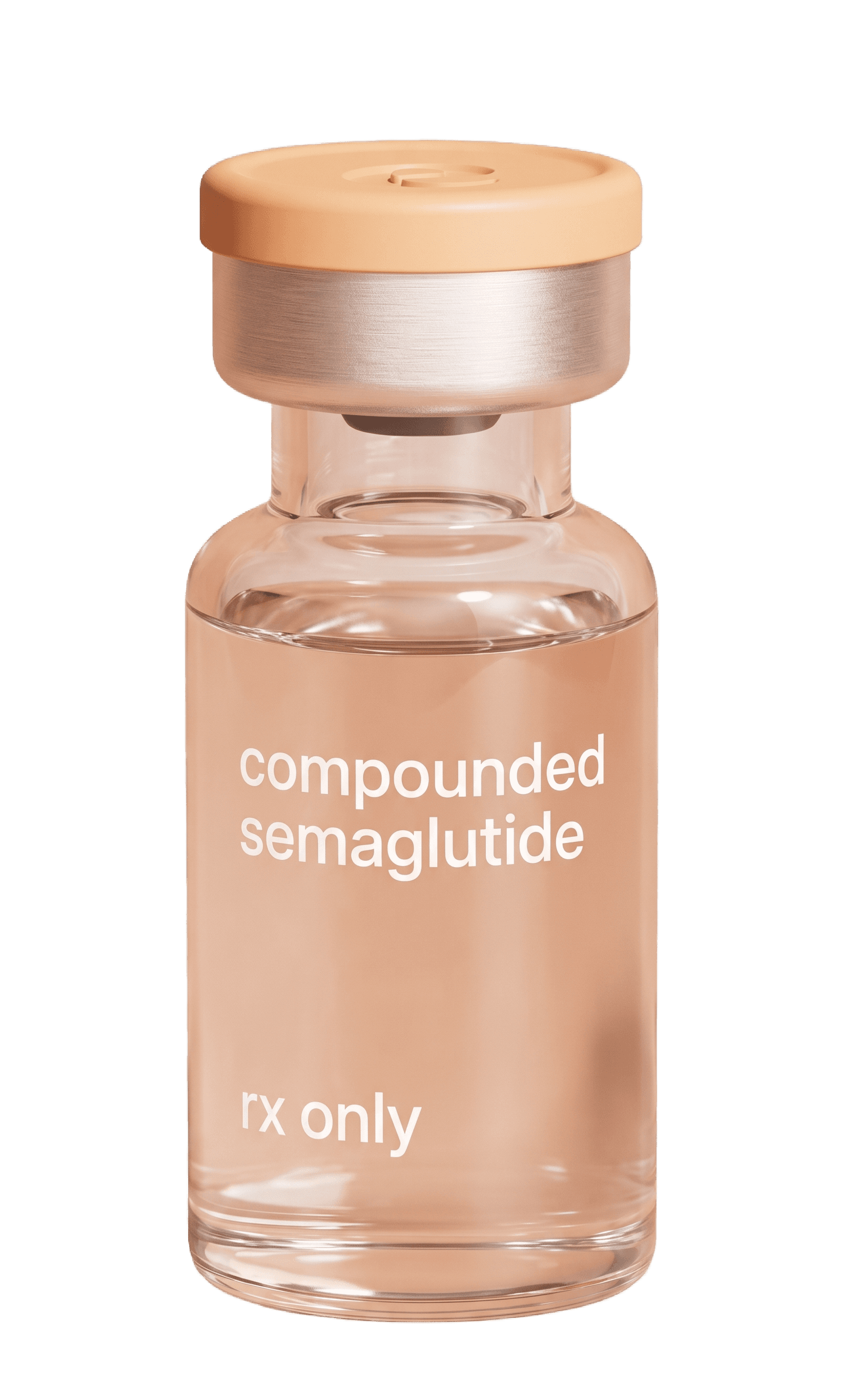
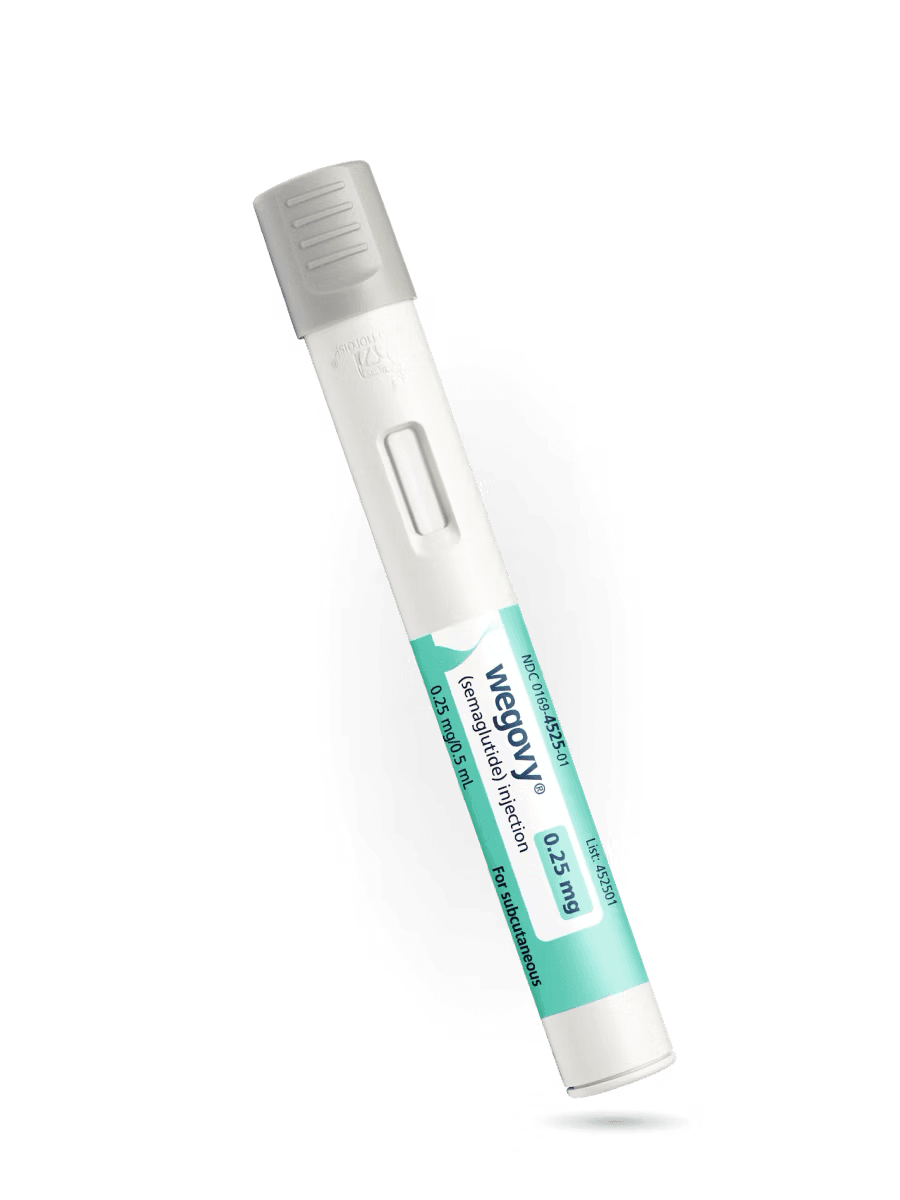
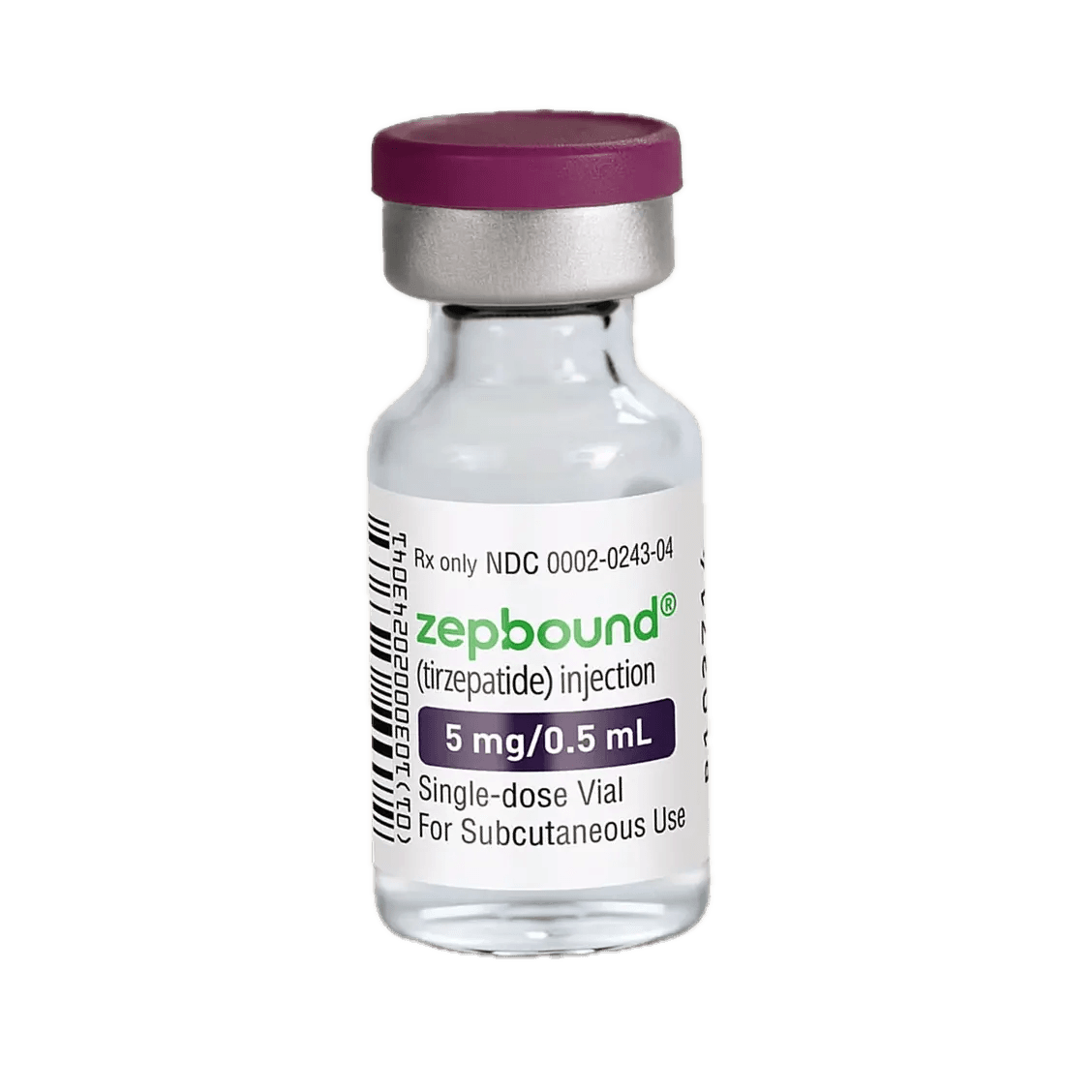
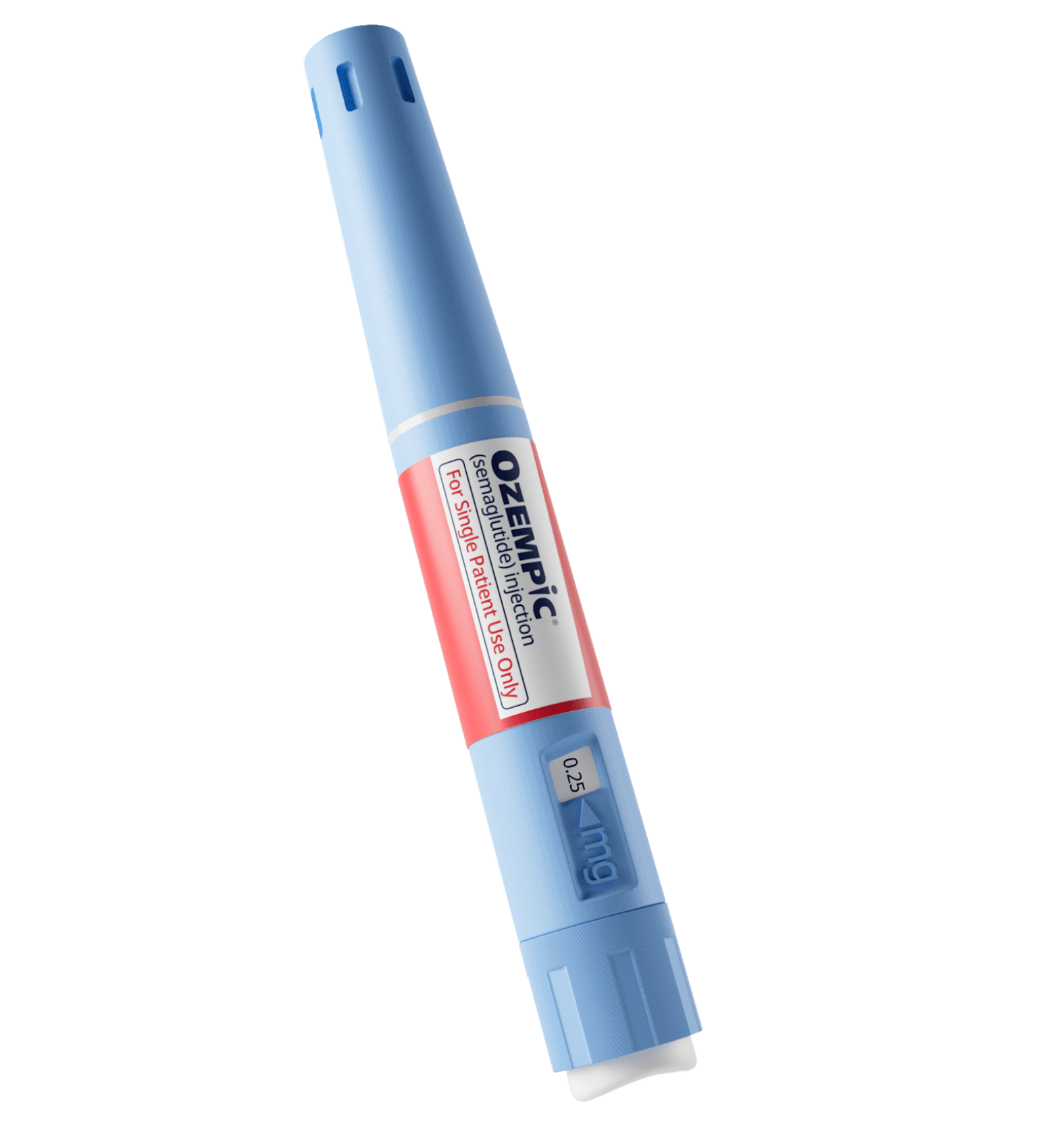
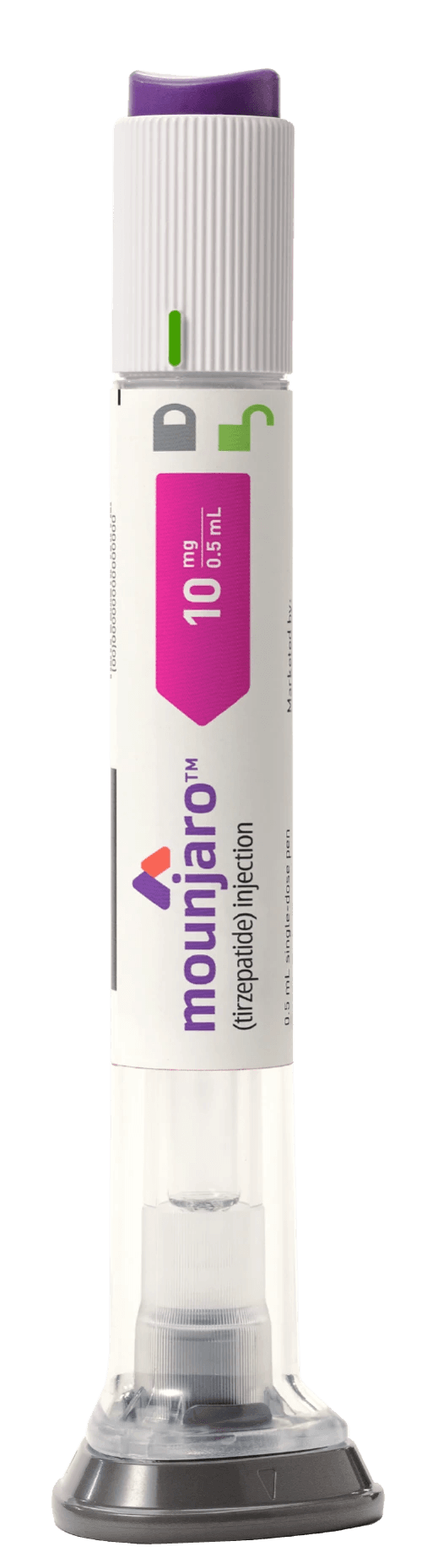
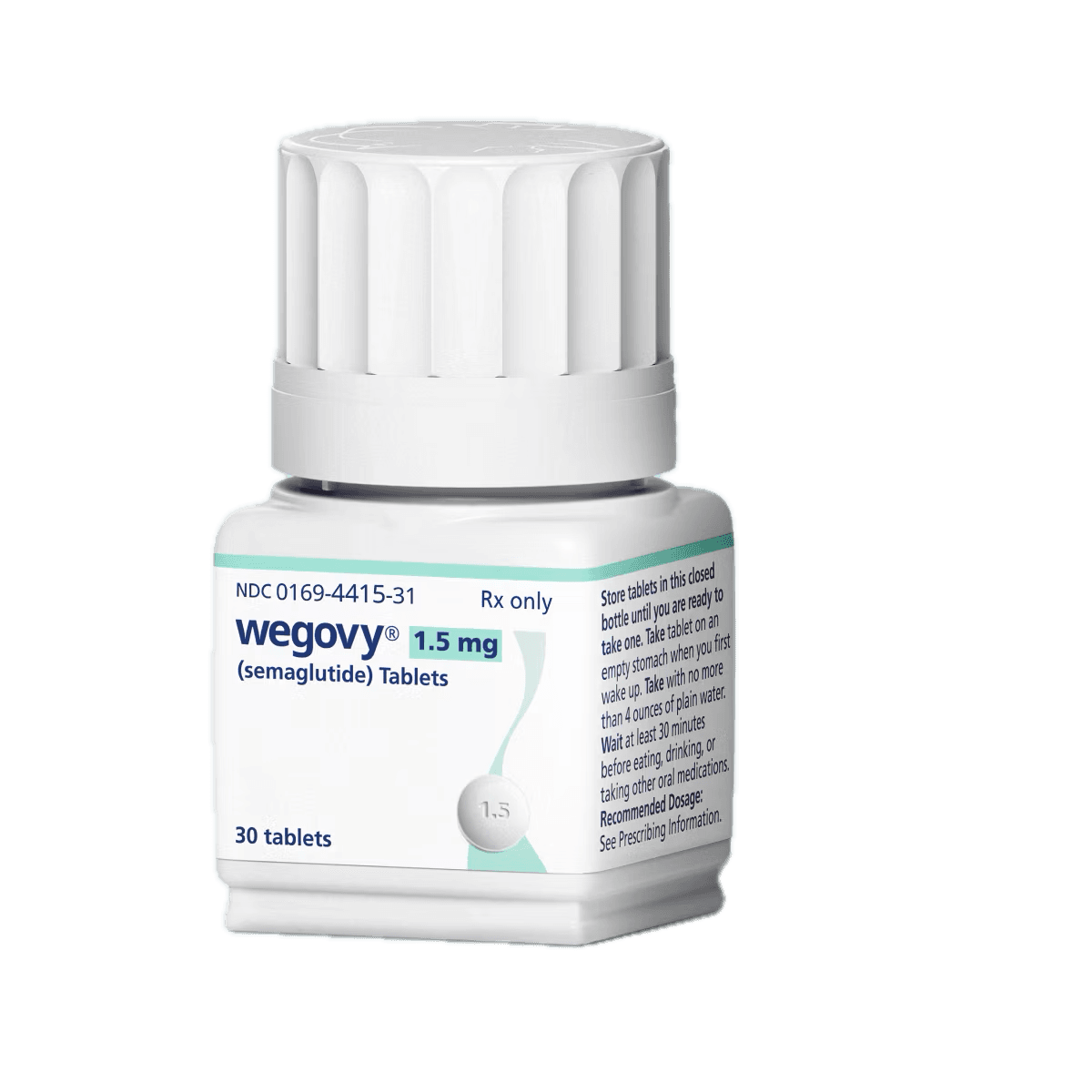
Example GLP-1 Treatments We Can Launch


The compliance map is different for every layer
This is where stacks most often go wrong. Each layer sits under a different regulatory regime, and a single program touches all of them at once.
| Layer | Regulatory status | Key constraint |
|---|---|---|
| GLP-1 (branded) | FDA-approved drugs | On-label vs off-label use, prescriber relationship |
| GLP-1 (compounded) | Compounded under 503A/503B | Shortage and copy rules, sourcing |
| Oral NMN | Lawful dietary supplement as of late 2025 | NDI pathway, quality, patents, EU differs |
| Injectable/nasal NAD+ | Compounded, not FDA-approved | Individualized prescriptions, honest claims |
| GH secretagogue peptides | Several moved to FDA 503A Category 2 in 2023 | Most bulk compounding ended, sourcing constrained |
| Rapamycin | FDA-approved for other indications, used off-label | Off-label documentation, informed consent |
| Metformin | FDA-approved, used off-label for longevity | Off-label documentation |
A few implications:
- You cannot apply one compliance posture across the stack. The supplement layer and the compounded layer follow different rules.
- The peptide layer is constrained by the 503A Category 2 changes, which ended most bulk compounding for several popular peptides. Your sourcing and menu have to reflect that.
- Off-label use of rapamycin and metformin requires genuine provider judgment, documentation, and informed consent, not a checkout upsell.
For the peptide regulatory picture, see Regenerative Peptides in 2026: The FDA PCAC Meeting and Telehealth Implications.
The Real 2026 Peptide Timeline
Removal from Category 2 is the first gate, not the last. The path from April 2026 to a legally compoundable peptide runs through the PCAC meeting, an FDA determination, and 503A Bulks List inclusion.
- 1April 22, 2026Complete
Removed from Category 2
BPC-157, TB-500, KPV, MOTs-c, Semax, Epitalon, and DSIP exit the FDA's significant-safety-concerns list. Compounding still not authorized.
- 2July 9, 2026Upcoming
Public comment deadline
Final day to submit comments to docket FDA-2025-N-6895. Comments after this date are not presented to the committee.
- 3July 23-24, 2026Upcoming
PCAC meeting at White Oak
Pharmacy Compounding Advisory Committee reviews and votes on adding peptides to the 503A Bulks List. Day 1 covers BPC-157, KPV, TB-500, MOTs-c. Day 2 covers DSIP, Semax, Epitalon.
- 4Post-meetingPending FDA
FDA determination
FDA reviews the PCAC recommendations and publishes a determination, typically through a notice or proposed rule. Usually months, not days.
- 5503A Bulks ListPending FDA
Compounding becomes legal
Once a peptide is formally included, licensed 503A pharmacies may compound for individual patients with a valid prescription, subject to the rest of the framework.
Designing stacked intake
A stack needs intake that sees the whole patient, not four separate questionnaires.
Stacked intake should capture:
- goals across domains (metabolic, energy, recovery, longevity) in the patient's words
- full current medication and supplement list, including anything from other providers
- which layers the patient is already on or asking about
- relevant history and contraindications for each layer
- needle tolerance and adherence patterns
- cancer history and family history, which matters for several layers
- pregnancy status and intent
- baseline labs or willingness to complete them
- informed-consent acknowledgments for off-label components
The goal is a single intake that produces one coherent clinical picture, so the provider can reason about the whole stack and its interactions.
Provider scope and the interaction problem
The single biggest clinical risk in a stack is that no one reviews the combination.
A provider who approves GLP-1, NAD+, a peptide, and rapamycin in four separate reviews may never assess them together.
To prevent that:
- route the entire stack to one provider review, not parallel reviews
- give the provider a consolidated view of every active and requested compound
- require the provider to document the rationale for the combination, not just each item
- flag known interactions and overlapping effects
- define which combinations require additional caution or are out of scope
- set sequencing rules where one layer should be established before another is added
Sequencing matters. A common, defensible approach is to establish the foundation first (for example, a metabolic or NAD+ baseline) before layering on additional compounds, so the provider can attribute effects and side effects rather than starting everything at once.
For provider capacity considerations as stacks add review load, see Provider Capacity Planning in Telehealth: Grow Without Creating Review Backlogs.
Growth Hormone Secretagogues
The most clinically established group. Highest clinician familiarity, on a separate regulatory track from the July agenda.
Almost always prescribed with Ipamorelin. Used for sleep quality, lean body composition, recovery, and metabolic support.
Paired with CJC-1295 in standard protocols. Highest clinician comfort level of any peptide on the broader list.
Billing a multi-compound program
Stack billing is where many programs confuse patients and trigger refunds.
The patient is buying a program, but they are paying for multiple compounds with different costs, sources, and cadences. If the billing reads like four separate charges with no logic, trust erodes.
Design choices to make explicit:
- whether the stack is a single bundled program price or itemized by compound
- how labs and biological age testing are priced, bundled or separate
- how adding or removing a layer changes the price mid-program
- how pauses work when one layer is paused but others continue
- how refunds work when one compound is not approved but others are
- how price changes are communicated when a compound's cost shifts
- whether tiers exist (foundation, plus, full stack)
A clean model patients can understand in one screen reduces support load and refund pressure dramatically.
For the underlying billing UX, see Billing UX in Telehealth: What Patients Need to See Before the First Renewal.
Retention is the stack's superpower
A single compound churns when the patient stalls or gets bored.
A stack retains because the patient is enrolled in an evolving protocol with measurement, adjustment, and a sense of progress.
To realize that:
- use baseline and follow-up measurement to show change over time
- review and adjust the stack on a schedule, so it feels personalized
- tie patient-reported outcomes and labs into the review
- communicate the next step in the protocol, so there is always a reason to continue
- handle one layer's side effects without losing the whole program
The risk is the inverse: if one layer causes a bad experience and the program is not set up to adjust, the patient may abandon the entire stack at once. Sequencing and responsive provider review protect against that.
For outcomes collection, see Patient-Reported Outcomes in DTC Telehealth: How to Collect PROs Without Breaking Conversion or Trust.
Marketing a stack honestly
A stack multiplies both the marketing opportunity and the claims risk.
Discipline by layer:
- describe each layer for what the evidence supports, not what the most optimistic influencer says
- do not let the strong evidence for one layer (GLP-1 outcomes) imply equivalent proof for another (injectable NAD+ or off-label rapamycin)
- avoid presenting the stack as a validated anti-aging protocol when the human longevity data is immature
- keep off-label components framed as physician-directed and individualized
- never imply a compounded preparation is FDA-approved
The strongest longevity brands sell rigor and personalization, not miracles. That positioning also happens to be the most defensible.
For positioning, see Telehealth Brand Positioning: Why Some Clinics Feel Trustworthy in Five Seconds.
A stack build checklist
Use this before launching a multi-compound longevity program.
Strategy and menu
- Layers defined - Which layers the program offers and why.
- Evidence posture per layer - Strong, provisional, or demand-driven, documented.
- Exclusions set - Combinations and compounds the program will not offer.
- Tiering - Foundation, plus, and full-stack options if used.
Compliance
- Per-layer regulatory map - Supplement, compounded, on-label, off-label handled separately.
- Peptide sourcing reviewed - Reflects 503A Category 2 constraints.
- Off-label consent - Informed consent for rapamycin, metformin, and similar.
- Pharmacy partners verified - Appropriate for each compounded layer.
- Claims reviewed - No cross-layer evidence borrowing, no approval implications.
Clinical workflow
- Single consolidated review - One provider sees the whole stack.
- Interaction flags - Known interactions surfaced in review.
- Sequencing rules - Order of layering defined.
- Out-of-scope criteria - When to refer out or decline.
- Adjustment protocol - How layers are paused, swapped, or escalated.
Billing and retention
- Pricing model chosen - Bundle vs itemized, clearly explained.
- Layer change logic - Adding or removing a layer updates price cleanly.
- Pause and refund rules - Per-layer logic that does not break the program.
- Measurement cadence - Labs and outcomes scheduled.
- Protocol progression - A clear next step at every review.
Metrics to track
| Metric | Why it matters |
|---|---|
| Average layers per patient | Stack depth and program value |
| Stack retention vs single-compound retention | The core thesis of the program |
| Provider review time per stack | Capacity and safety |
| Interaction flags raised and resolved | Clinical governance health |
| Refund rate by layer | Where expectations break |
| Reorder and adjustment rate | Whether the protocol feels alive |
| Revenue per longevity patient | Program economics |
| Off-label consent completion | Compliance health |
For the leadership view, see Weekly Telehealth Ops Dashboard: 12 Metrics Leadership Should Review.
Common mistakes
Stapling four funnels together
A stack assembled from separate single-compound funnels has no consolidated review and no interaction safety. Build it as one program.
Maximal instead of curated
A longer stack is not a better stack. Curate by evidence and fit.
One compliance posture for everything
Supplement, compounded, and off-label layers follow different rules. Map each.
Parallel provider reviews
If each compound is reviewed in isolation, no one sees the combination. Consolidate.
Cross-layer claims borrowing
Strong GLP-1 evidence does not validate injectable NAD+ or off-label rapamycin. Keep claims layer-specific.
Confusing billing
If the patient cannot understand what they are paying for, they refund. Make the model legible.
Starting everything at once
Without sequencing, you cannot attribute effects or side effects. Layer deliberately.
Final takeaways
Longevity patients want a protocol, and a well-built stack is the most valuable, most retentive offering in DTC longevity.
The teams that build stacks well will:
- curate layers by evidence and fit, not by maximizing the menu
- map a distinct compliance posture for each layer
- reflect the 503A Category 2 reality in their peptide sourcing
- run one consolidated provider review across the whole stack
- sequence layers so effects and side effects are attributable
- bill a program patients can understand in one screen
- use measurement and adjustment to drive retention
- market each layer honestly, with no cross-layer evidence borrowing
A stack done badly is four compliance problems and an interaction risk wearing one brand.
A stack done well is a coherent, personalized, well-governed program that patients stay in for years.
The difference is whether you built one program, or just four products standing on each other's shoulders.