GLP-1 care is outgrowing the weight loss funnel
For three years, most DTC telehealth GLP-1 programs were built around one outcome.
Weight loss.
That was a reasonable simplification. The drugs work for weight. Patients wanted weight. The funnel converted.
In 2026, that frame is too narrow.
The strongest clinical evidence is now in indications that have little or nothing to do with appetite or scale weight:
- cardiovascular event reduction in adults with overweight or obesity and known heart disease
- symptom and function improvement in heart failure with preserved ejection fraction (HFpEF)
- slower progression of chronic kidney disease in type 2 diabetes
- resolution of metabolic dysfunction-associated steatohepatitis (MASH) with reduced fibrosis
- a new mechanistic case for low-dose GLP-1 effects on cardiac and hepatic remodeling independent of weight loss
That last finding is the one that should reshape the conversation.
For DTC telehealth teams, the practical question is not "should we still sell weight loss?"
It is "what does the program look like when the science says the medication does more than that?"
This post walks through what the evidence actually shows, what it changes operationally, and what marketing should and should not claim in 2026.
The evidence base in one map
A useful starting point is to separate what is approved, what is published, and what is preprint or emerging.
| Indication | Trial | Dose | Headline result | Status |
|---|---|---|---|---|
| Cardiovascular event reduction in overweight or obesity with established CVD, no diabetes | SELECT | Semaglutide 2.4 mg weekly | 20% reduction in MACE | FDA-approved indication (Wegovy) |
| HFpEF symptoms in obesity, with or without T2D | STEP-HFpEF, STEP-HFpEF DM | Semaglutide 2.4 mg weekly | Significant improvement in KCCQ, exercise function, diuretic reduction | Published, label updated |
| Chronic kidney disease in T2D | FLOW | Semaglutide 1.0 mg weekly | 24% reduction in primary kidney outcome, 20% lower all-cause mortality | Published, label updated |
| MASH with F2-F3 fibrosis | ESSENCE phase 3 | Semaglutide 2.4 mg weekly | 62.9% MASH resolution vs 34.3% placebo at 72 weeks | Accelerated FDA approval, Wegovy label |
| Direct cardiac and hepatic remodeling | Pre-clinical, low-dose semaglutide | 30 nmol/kg twice weekly in rat HFpEF model | Reduced fibrosis and lipotoxicity, independent of weight loss | Preprint, mechanistic |
| OSA in adults with obesity | SURMOUNT-OSA | Tirzepatide | Significant AHI reduction | FDA-approved (Zepbound) |
Two things stand out.
First, none of these indications is "weight loss" in the marketing sense. They are diseases.
Second, the doses differ. SELECT, STEP-HFpEF, and ESSENCE used 2.4 mg semaglutide. FLOW used 1.0 mg. The HFpEF preprint used a low dose in animals to make a mechanistic case.
That matters when patients start asking why "microdosing" is being marketed as longevity, and whether smaller doses can deliver the same disease-modifying effects.
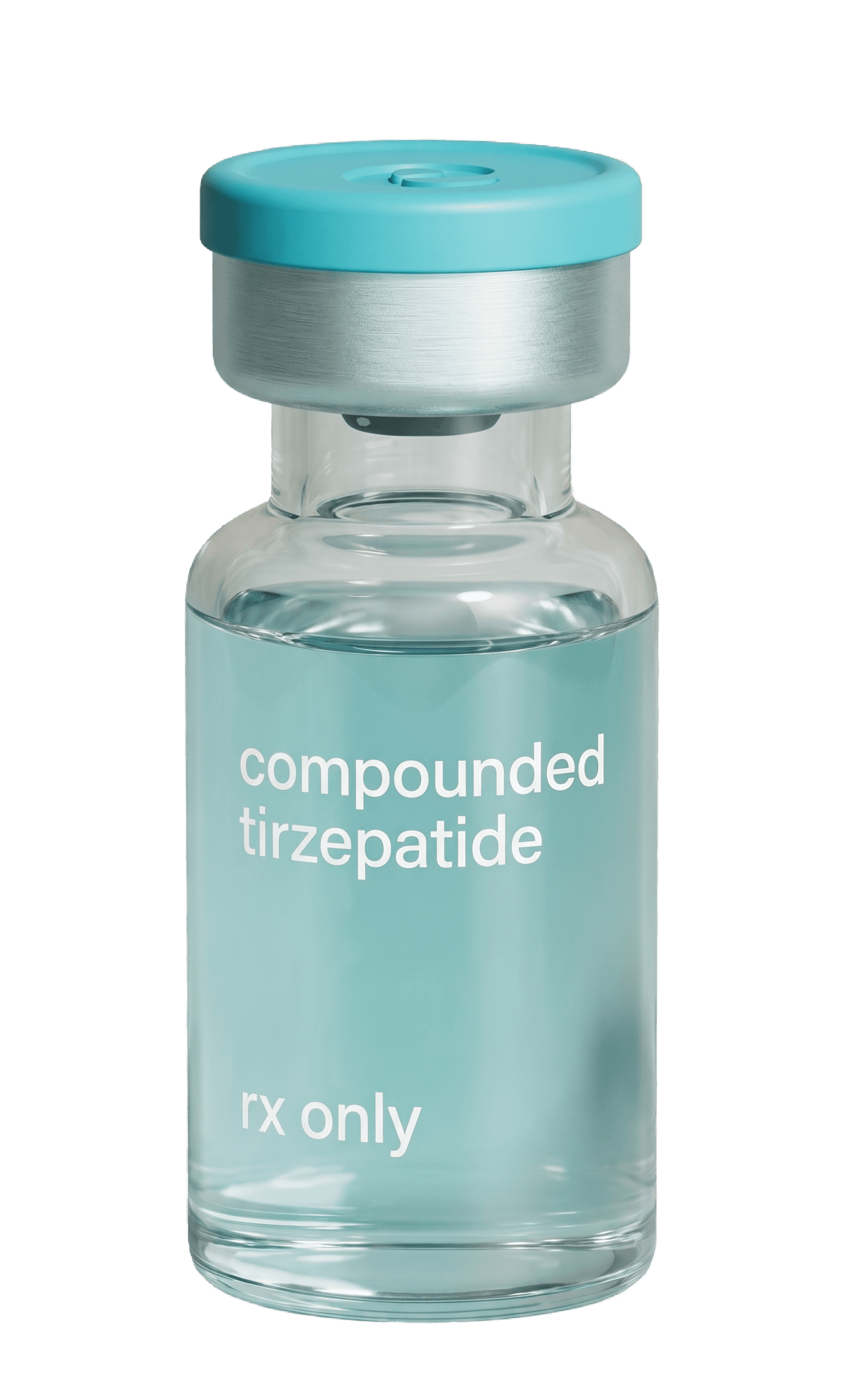
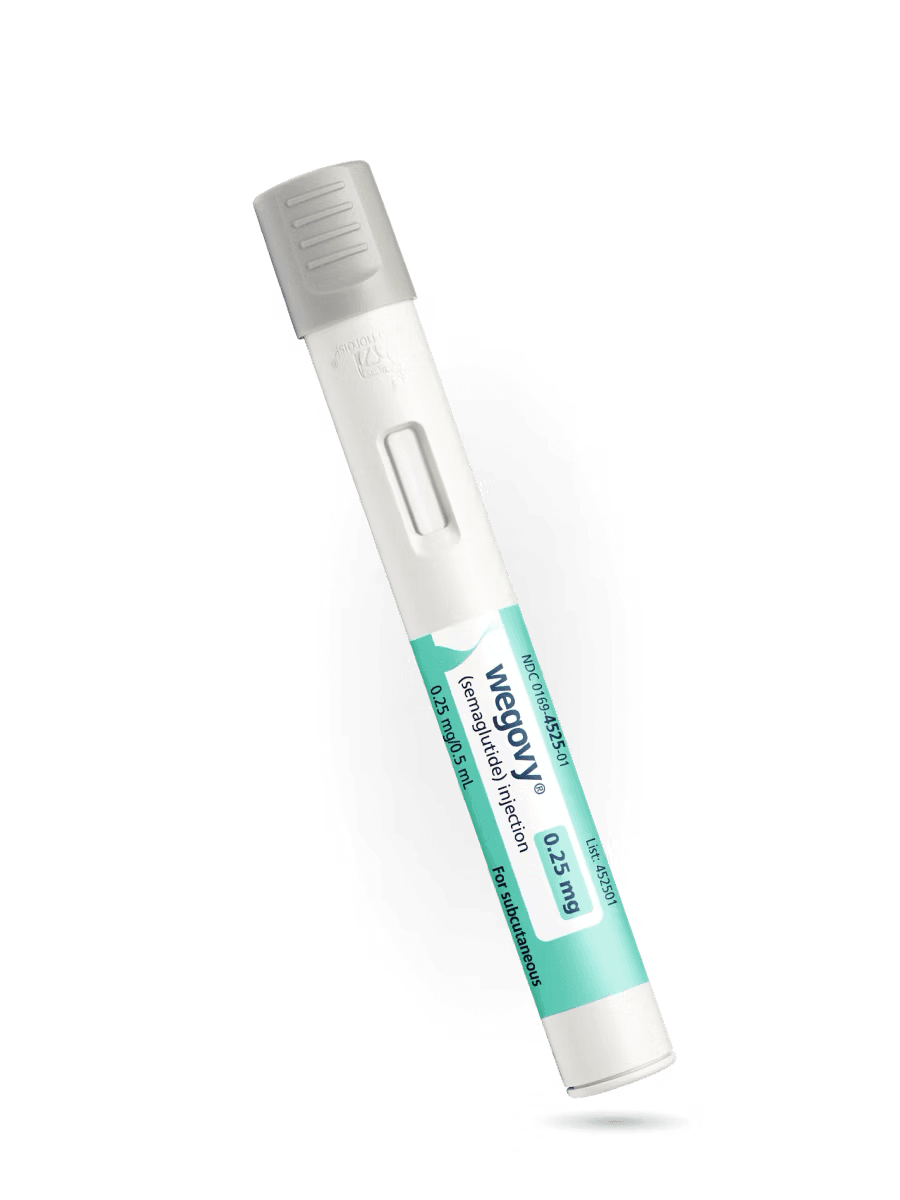
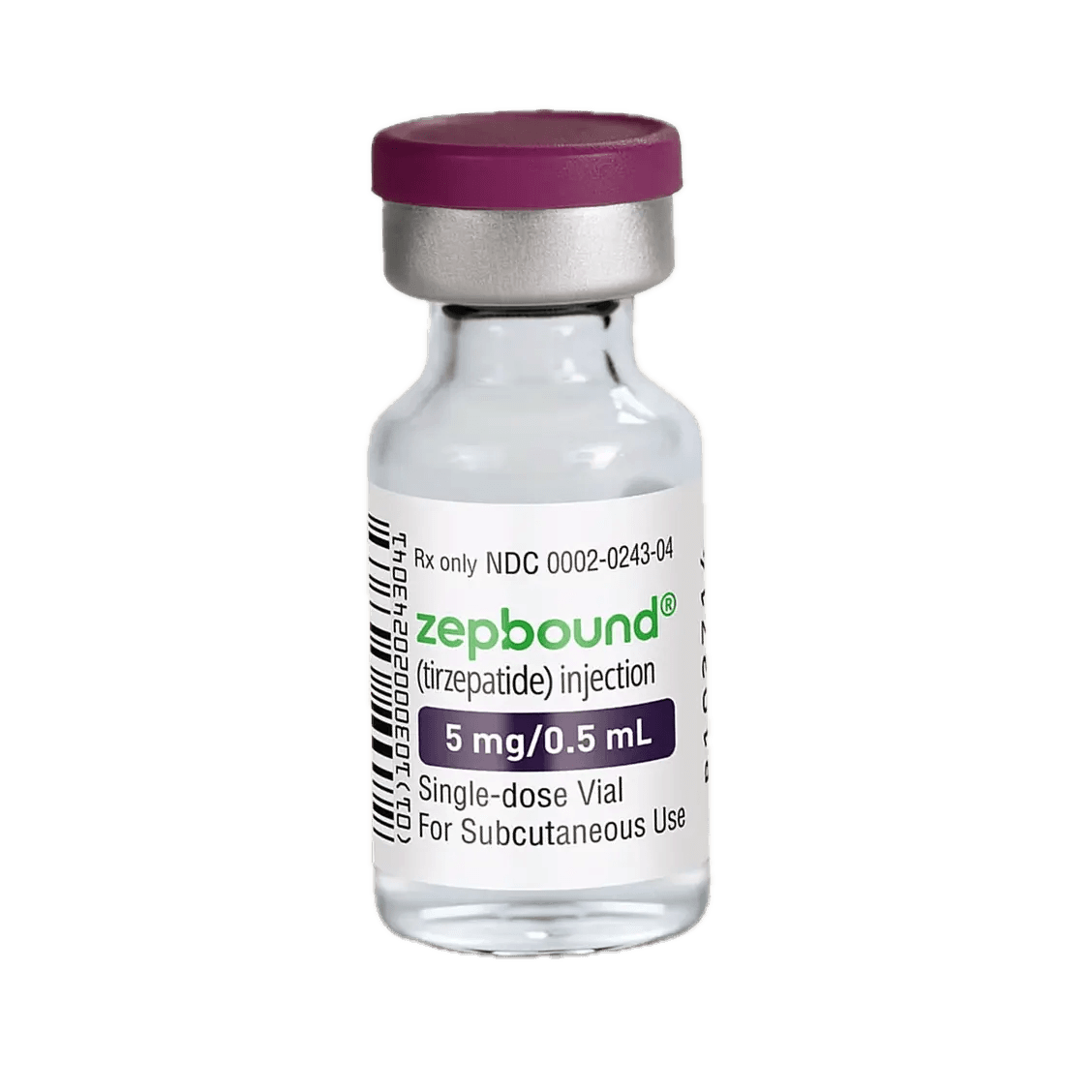
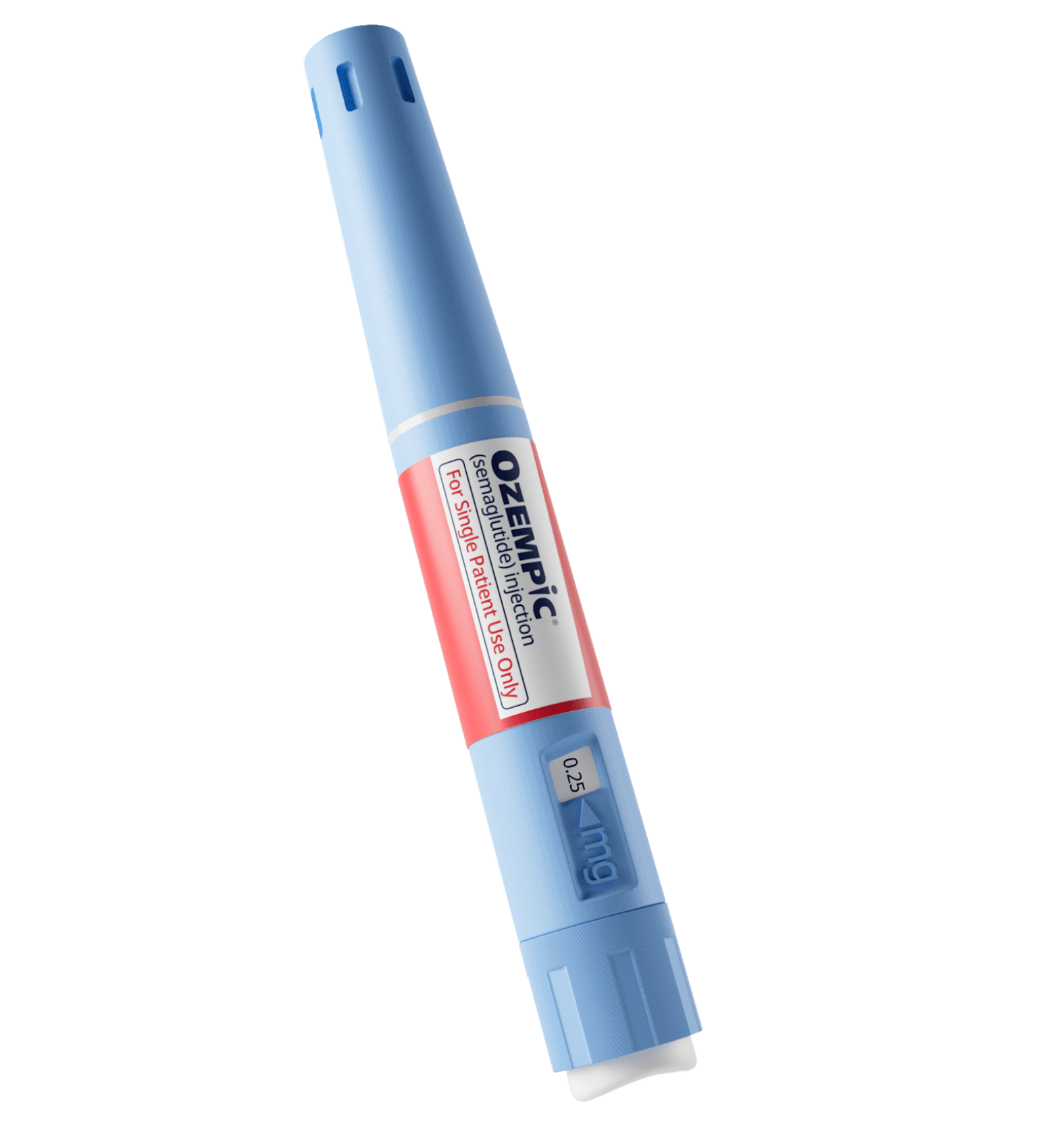
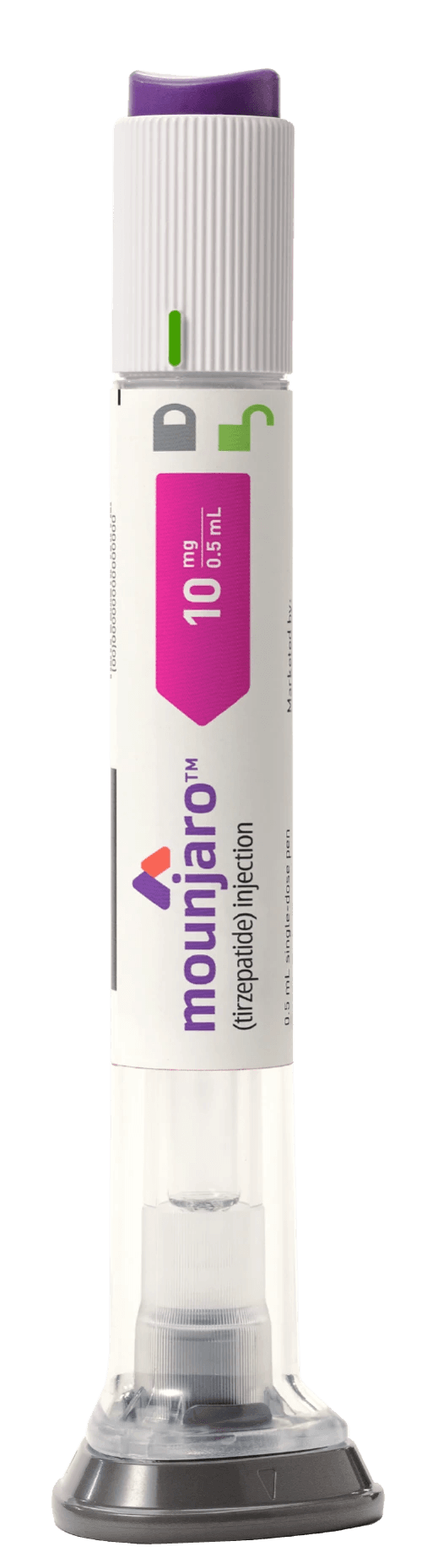
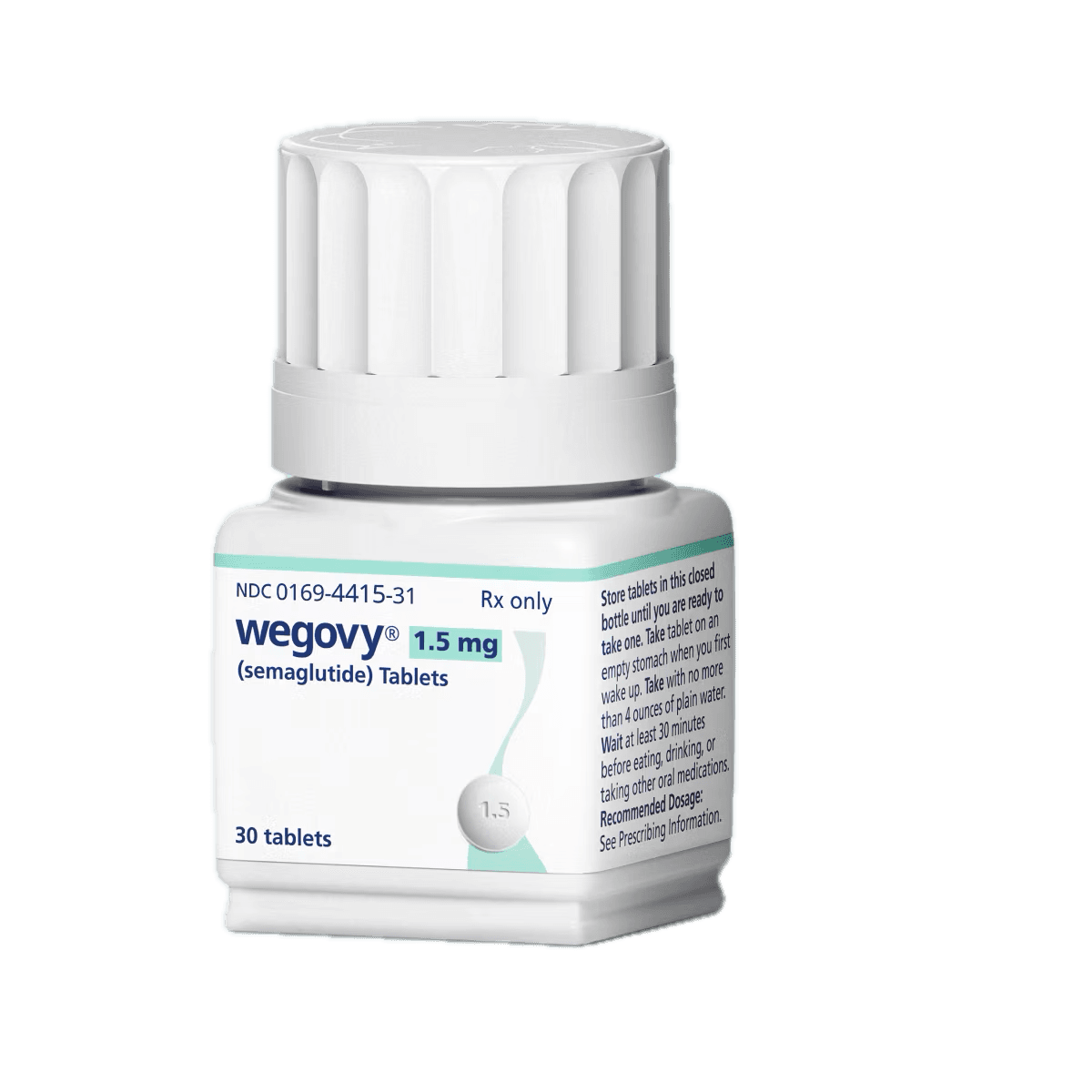
Example GLP-1 Treatments We Can Launch


What SELECT changed about cardiovascular positioning
The SELECT trial enrolled 17,604 adults with overweight or obesity and established cardiovascular disease, without diabetes.
Semaglutide 2.4 mg reduced major adverse cardiovascular events by 20% versus placebo.
The trial also showed:
- a 22% lower risk of renal outcomes
- a 73% reduction in incident diabetes
- significant reductions in hospital admissions
- weight loss that did not fully explain the cardiovascular benefit
The clinical and marketing implications are not the same.
Clinically, this is one of the strongest cardiovascular outcomes datasets in modern obesity medicine.
For marketing, the temptation is to say "our GLP-1 program prevents heart attacks." That language overshoots what an individual patient can be told, and what the FDA-approved indication supports.
A defensible DTC posture:
- the medication has an FDA-approved indication for cardiovascular event reduction in eligible adults with overweight or obesity and known CVD without diabetes
- the program can support patients who meet those criteria with appropriate provider review
- claims at the individual patient level should be framed as risk reduction in a population, not personal guarantee
What STEP-HFpEF changed about heart failure care
STEP-HFpEF and STEP-HFpEF DM tested semaglutide 2.4 mg in adults with obesity-related heart failure with preserved ejection fraction, with and without type 2 diabetes.
The results were strong:
- significant improvement in the Kansas City Cardiomyopathy Questionnaire (KCCQ) clinical summary score
- improved exercise function on the six-minute walk test
- a 71% reduction in new loop diuretic initiation
- weight loss
- better outcomes in patients on loop diuretics at baseline
This is a population most DTC programs do not currently serve well.
A weight loss intake form does not typically capture:
- diagnosed heart failure
- ejection fraction
- diuretic use
- functional class
- recent hospitalization
- cardiology follow-up
For programs that want to take HFpEF seriously, intake needs to ask. Provider review needs to coordinate with cardiology. The marketing needs to be specific, not generic.
A weight loss patient who happens to have HFpEF should not be silently sold a generic weight loss program. The science is clear that semaglutide 2.4 mg is meaningful for their condition. The program design should reflect that.
What FLOW changed about kidney care
The FLOW trial enrolled 3,533 adults with type 2 diabetes and chronic kidney disease at varying severity, on a renin-angiotensin system inhibitor.
The dose was once-weekly semaglutide 1.0 mg.
Results:
- 24% reduction in the primary composite kidney outcome
- 18% lower risk of cardiovascular events
- 29% lower risk of cardiovascular death
- 20% lower risk of death from any cause
- benefit across CKD severity strata
Important nuance: the 1.0 mg dose is the diabetes dose, not the 2.4 mg obesity dose.
That distinction matters for telehealth programs. A patient with T2D and CKD on a 1.0 mg regimen for kidney protection is a different patient than one on 2.4 mg for weight loss with kidney monitoring. The intake, provider workflow, and labs follow different protocols.
For more on the broader lab workflow, see Telehealth Lab Workflow Design: Preventing Drop-Off Between Order, Completion, and Review.
What ESSENCE changed about liver disease
ESSENCE is the phase 3 trial of semaglutide 2.4 mg in adults with biopsy-confirmed MASH and F2 or F3 fibrosis.
At the 72-week interim, the results were striking:
- MASH resolution without fibrosis worsening: 62.9% vs 34.3% on placebo
- one-stage or greater fibrosis reduction without MASH worsening: 36.8% vs 22.4% on placebo
- combined MASH resolution and fibrosis reduction: 32.7% vs 16.1% on placebo
- 10.5% body weight reduction vs 2.0% on placebo
In August 2025, FDA granted accelerated approval to the Wegovy formulation for MASH with moderate to advanced fibrosis based on the interim ESSENCE data.
At EASL 2026, Novo Nordisk presented additional hepatic safety, menopausal women, and Japanese population analyses, deepening the regulatory and clinical case.
For DTC telehealth teams, this is not a small footnote.
MASH is widely underdiagnosed, often invisible to the patient, and increasingly relevant in the same population that GLP-1 programs already see (adults with obesity, type 2 diabetes, metabolic syndrome).
The operational question is whether your program is ready to:
- screen for fibrosis risk (FIB-4 score, ELF test, vibration-controlled transient elastography referral)
- coordinate with hepatology for biopsy or imaging confirmation
- document MASH appropriately for provider review and billing
- distinguish MASH-indicated care from weight loss care in marketing language
The 2025 low-dose preprint and what it might mean
A 2025 bioRxiv preprint titled "Low Dose GLP-1 Therapy Attenuates Pathological Cardiac and Hepatic Remodelling in HFpEF Independent of Weight Loss" is the most provocative new signal in the category.
The design:
- ten-week-old male ZSF1 obese rats with spontaneous HFpEF
- low-dose semaglutide at 30 nmol/kg twice weekly for 16 weeks
- single-cell RNA sequencing of heart and liver
- cardiac, hepatic, and plasma proteomics
The finding:
- attenuated cardiac and hepatic fibrosis
- reverse lipid transport effects
- benefit that did not depend on weight loss
The authors note: "Findings support the investigation of lower GLP-1RA dosing in HFpEF and other cardiovascular conditions, including in non-obese patients."
Two things matter for DTC telehealth.
First, this is a preprint and an animal model. It is hypothesis-generating, not practice-changing.
Second, it is the most credible mechanistic case yet that lower-than-label doses might do something clinically useful.
If human trials confirm any of it, the entire microdose conversation moves from wellness marketing into a real clinical category.
For now, the right posture is to track it, not market on it.
Related reading: GLP-1 Microdosing in Telehealth: What Clinics Should Know Before Patients Ask.
What this changes inside intake
A weight loss intake is not enough.
If your program serves any of these populations, intake should capture more.
Cardiovascular history
- diagnosed coronary artery disease, prior MI, prior stroke, peripheral arterial disease
- heart failure diagnosis and type (HFrEF vs HFpEF)
- ejection fraction if known
- current cardiology follow-up
- loop diuretic use
- recent hospitalization for cardiovascular cause
- NYHA functional class if known
Renal history
- known CKD diagnosis and stage
- most recent eGFR and urine albumin-to-creatinine ratio (UACR)
- current renin-angiotensin system inhibitor use (ACE inhibitor or ARB)
- nephrology follow-up
Hepatic history
- known MASH, MASLD, or fatty liver diagnosis
- prior FIB-4 score, ELF test, or elastography
- liver biopsy history
- hepatology follow-up
- viral hepatitis history
- alcohol use screening
Sleep and respiratory
- diagnosed OSA
- prior sleep study results
- CPAP use and adherence
Capturing this is not bureaucracy. It is the input that allows provider review to be honest about which indication, which dose, and which monitoring plan fits the patient.
What this changes inside provider review
Provider review for a "weight loss" program is different from provider review for cardiometabolic care.
A program that wants to serve any of the non-weight indications should equip providers to:
- distinguish weight loss intent from disease-modification intent
- document the relevant indication clearly in the chart
- select the dose appropriate to the indication (1.0 mg in CKD, 2.4 mg in CVD, HFpEF, MASH, weight loss)
- order or request the relevant labs and imaging
- coordinate with cardiology, nephrology, or hepatology
- escalate cases that need specialist confirmation
- monitor side effects in cardiometabolic populations that may differ from a typical weight loss profile
Provider templates should include:
- structured fields for ejection fraction, eGFR, UACR, FIB-4
- a treatment rationale field that names the indication
- a referral path for specialist coordination
- a monitoring schedule that reflects the indication
Without this, programs will end up treating disease-state patients as if they were generic weight loss patients. That is a clinical and compliance risk.
For broader context on provider workflow, see Provider Capacity Planning in Telehealth: Grow Without Creating Review Backlogs.
What this changes inside labs and monitoring
A weight loss lab panel is usually thin: a CBC, a CMP, lipids, an HbA1c, maybe a thyroid panel.
A cardiometabolic program needs more.
Baseline labs for expanded indications
| Indication | Suggested baseline assessment |
|---|---|
| CVD risk and SELECT-like care | Lipids, HbA1c, eGFR, BP, ECG when clinically indicated |
| HFpEF | NT-proBNP or BNP, recent echocardiogram, six-minute walk if feasible, KCCQ baseline |
| CKD in T2D | eGFR, UACR, current ACEi or ARB confirmation, potassium |
| MASH | FIB-4, ELF test where available, vibration-controlled transient elastography referral when indicated, AST, ALT, platelets |
| OSA | STOP-BANG, Epworth, HSAT referral if positive screen |
These are not all things the platform needs to perform in-house. Many can be ordered through partners, referred to local labs, or coordinated with the patient's primary care or specialist.
What matters is that the program collects the data needed to support the indication and document the rationale.
What this changes inside marketing
This is where the most discipline is needed.
The claims a brand can defensibly make in 2026 fall into three tiers.
Tier 1: Approved indications and trial results, accurately described
- "Semaglutide 2.4 mg has an FDA-approved indication for reducing the risk of major cardiovascular events in eligible adults with overweight or obesity and established cardiovascular disease without diabetes."
- "Semaglutide is FDA-approved for MASH with moderate to advanced fibrosis, based on the ESSENCE trial."
- "Tirzepatide is FDA-approved for moderate to severe obstructive sleep apnea in adults with obesity."
These are sound when used accurately and in context.
Tier 2: Supporting science framed as population-level evidence, not individual promise
- "In the STEP-HFpEF trials, patients on semaglutide 2.4 mg saw significant improvements in heart failure symptoms and exercise function."
- "In the FLOW trial, semaglutide 1.0 mg reduced major kidney outcomes in adults with T2D and CKD by 24%."
Use these in clinical and educational contexts. Avoid them on top-of-funnel ad copy where the implied promise becomes "this drug will protect your heart."
Tier 3: Off-limits without strong scoping
- "Microdose semaglutide for healthspan."
- "GLP-1s prevent Alzheimer's."
- "Low-dose GLP-1 protects your heart without weight loss."
The Alzheimer's claim is now contradicted by the EVOKE and EVOKE+ phase 3 results, which were negative. The low-dose mechanistic claim is supported by a preprint in animals only. The healthspan claim has no robust human evidence.
Any of these in marketing copy is a FTC and FDA risk. Several DTC brands have already attracted scrutiny for similar language.
For broader context, see Marketing Your GLP-1 Program in 2026 and Running GLP-1 Ads in 2026: What Telehealth Teams Need to Know.
A decision framework for which indications your program should support
Most DTC teams cannot meaningfully support every indication on day one.
A useful framework:
| Indication | Difficulty to support well | When to add |
|---|---|---|
| Weight loss with no comorbidity flag | Low | Most programs already do this |
| Weight loss with cardiometabolic risk capture | Low to medium | High priority for all 2026 programs |
| Cardiovascular event reduction (SELECT population) | Medium | When provider workflow can document CVD history and coordinate with cardiology |
| OSA in adults with obesity | Medium | When the program supports HSAT and CPAP coordination, see the OSA program post |
| MASH with F2-F3 fibrosis | Medium to high | When the program can do fibrosis screening and hepatology coordination |
| CKD in T2D | High | When the program has diabetes management depth and nephrology partnership |
| HFpEF in obesity | High | When the program has cardiology partnership and HF documentation |
| "Longevity" or healthspan as a marketing wrapper | Not yet defensible | Not until human evidence supports the claim |
A reasonable 2026 path:
- every program should at least capture cardiometabolic risk in intake, even if it does not treat to all indications
- programs ready to expand should pick one expansion at a time (CVD, OSA, or MASH are the most accessible)
- CKD and HFpEF expansions require deeper clinical scaffolding and are good fits for programs with a strong primary care or cardiometabolic foundation
For broader specialty expansion decisions, see Telehealth Specialty Expansion: How to Decide the Next Program After GLP-1, Hair Loss, and Sexual Health.
A readiness checklist for expanding beyond weight loss
Use this as a 60 to 90 day planning aid.
Strategy and scope
- Indication selection - Which non-weight indication is the program adding first?
- Eligibility criteria - Which patient profile qualifies, based on the trial population?
- Out-of-scope criteria - Which patient situations trigger referral out of the program?
- Specialist partnerships - Which cardiology, nephrology, or hepatology partners support the program?
- Dose policy - Which dose corresponds to which indication, documented for providers?
Intake and screening
- Cardiovascular history capture - CAD, MI, stroke, PAD, HF, EF, NYHA class.
- Renal history capture - CKD stage, eGFR, UACR, ACEi or ARB use.
- Hepatic history capture - Fatty liver, MASH, FIB-4, prior biopsy.
- Sleep history capture - OSA diagnosis, CPAP use, STOP-BANG and Epworth.
- Lab review path - Which labs are required at baseline by indication?
- Validated instruments - KCCQ, Epworth, STOP-BANG, PHQ-9 where relevant.
Provider workflow
- Indication-specific templates - Cardiac, renal, hepatic, OSA notes.
- Indication rationale field - Free-text and structured tagging.
- Dose routing - Provider can select the dose appropriate to the indication.
- Specialist referral path - Visible inside the chart.
- Monitoring schedule by indication - Cadence and labs differ.
- Side-effect protocol by population - Older adults, HFpEF, CKD differ.
Billing and packaging
- Bundle pricing - Separate bundles for weight loss vs cardiometabolic care.
- Insurance posture - Cash-pay, hybrid, or insurance for the new indication.
- Refund and pause policy - Clear rules when an indication changes mid-program.
- Patient-facing scope statement - What the program treats and does not treat.
Marketing and content
- Approved-indication copy - Trial-accurate language at landing page and ad layer.
- Avoidance list - Claims that are not defensible (healthspan, Alzheimer's, generic "heart protection").
- Education library - Patient-facing explainers for each new indication.
- FTC and FDA review - Marketing claims reviewed by qualified counsel.
- Disclosure of off-label or investigational use - If applicable, clearly stated.
Compliance and risk
- Documentation standards - Indication, dose, monitoring, and rationale captured in the chart.
- Audit log - Decisions and orders tracked.
- HIPAA review - Specialist data exchange and partner contracts.
- State licensure mapping - Where the program is active for each indication.
Metrics to track for non-weight indications
The dashboard cannot be the same as a weight loss dashboard.
| Metric | Why it matters |
|---|---|
| Cardiometabolic risk captured at intake (% of completed intakes) | Foundation for all expansion |
| Indication tagged in chart (% of treated patients) | Documentation health |
| Specialist referral completion rate | Coordination quality |
| Lab completion rate (FIB-4, eGFR, UACR, NT-proBNP) | Clinical depth |
| Dose alignment to indication (% concordance) | Provider workflow health |
| Symptom outcomes (KCCQ, Epworth, PHQ-9 where relevant) | Real-world outcomes |
| Time to indication-specific follow-up | Continuity of care |
| Marketing claim audit pass rate | Compliance risk |
For broader operations dashboards, see Weekly Telehealth Ops Dashboard: 12 Metrics Leadership Should Review.
Common mistakes when expanding beyond weight loss
A few patterns to avoid.
Marketing one indication, treating another
Some brands market "heart protection" but treat patients with the same weight loss workflow. That mismatch is a compliance and clinical risk.
Using the wrong dose for the indication
Semaglutide 1.0 mg is the diabetes and CKD dose. 2.4 mg is the obesity, HFpEF, MASH, and CVD-in-obesity dose. Dose selection is part of indication selection.
Skipping the labs
You cannot defensibly serve MASH without fibrosis screening. You cannot defensibly serve CKD without eGFR and UACR. You cannot defensibly serve HFpEF without functional and structural cardiac data.
Treating the low-dose preprint as practice-changing
It is a preprint. It is mechanistic. It is in rats. It is interesting. It is not yet evidence to base marketing or clinical decisions on.
Ignoring sarcopenia in older cardiometabolic patients
Older patients with HFpEF, CKD, or MASH are the populations where lean mass loss matters most. A muscle preservation protocol belongs alongside any expansion.
Promising what EVOKE just disproved
The EVOKE and EVOKE+ phase 3 trials in 2026 showed no benefit of oral semaglutide for early Alzheimer's. Brands using cognitive or dementia claims should remove them now.
How this connects to the rest of the platform
A cardiometabolic-aware GLP-1 program is not a separate brand.
It is the same platform with more capability:
- the intake captures more
- the provider review documents more
- the labs and imaging workflow integrates with more partners
- the patient portal shows indication-specific education and check-ins
- the CRM tags patients by indication
- the billing engine supports indication-specific bundles
- the support team has scripts for each indication
If you already have a strong GLP-1 program, expanding into one of the non-weight indications usually does not require rebuilding the platform.
It requires structuring the data, the templates, and the language so that each indication is treated as itself, not as a marketing wrapper around the same weight loss flow.
For context on the broader product map, see New GLP-1 Products in 2026: The Telehealth Product Map and Next-Generation GLP-1s in 2026: How Telehealth Teams Should Prepare for CagriSema, Retatrutide, and New Oral Options.
Final takeaways
The GLP-1 evidence base in 2026 is no longer about scale weight alone.
The DTC telehealth teams that grow from here will:
- treat cardiovascular, renal, hepatic, and sleep indications as real programs, not marketing language
- match dose to indication, not just to patient preference
- expand intake to capture cardiometabolic context
- equip providers with indication-specific templates and referral paths
- build lab and specialist coordination into the workflow
- speak about trial evidence accurately at every layer of marketing
- track the low-dose preprint and emerging human data without overclaiming
- remove cognitive and Alzheimer's claims that are no longer supported
- bundle pricing and education by indication, not by molecule
The brands that keep selling weight loss as a single funnel will still have a business.
The brands that build a cardiometabolic care platform will have the more durable one.
The science is moving in that direction.
The operational model should move with it.
Sources for the trial evidence cited:
- SELECT trial: Semaglutide 2.4 mg and cardiovascular outcomes in overweight or obesity with established CVD (Cleveland Clinic newsroom summary, JACC subgroup analysis)
- STEP-HFpEF pooled analysis: Semaglutide 2.4 mg in obesity-related HFpEF (NEJM, European Heart Journal pooled analysis)
- FLOW trial: Semaglutide 1.0 mg in T2D and CKD (NEJM, ADA press release)
- ESSENCE trial: Semaglutide 2.4 mg in MASH with F2-F3 fibrosis (phase 3 trial coverage, EASL 2026 update, weight-dependent and -independent secondary analysis)
- Low-dose GLP-1 in HFpEF, animal mechanistic study (bioRxiv preprint)
- EVOKE and EVOKE+ trials in early Alzheimer's disease (The Lancet, Clinical Trials Arena coverage)